





How to Prep, Wash, Dry, and Troubleshoot Your Cloth Diapers
Using cloth diapers can be an eco-friendly, economical, and gentle choice for your baby. Modern cloth diapers have come a long way, and are simple to use, easy to wash, and available in so many colors and prints that building your stash is just part of the fun!
Did you just receive your first Nora's Nursery cloth diapers? If so, you're in the right place! Everything starts with prepping, and we are here to get you started! Explore our cloth diaper collections and start building your stash with confidence!
New to cloth diapering? Download our FREE Cloth Diaper eBook for step-by-step guidance, wash routines, and tips for getting started!
For more information on washing your cloth diapers, watch the video below:
Cleaning cloth diapers can be simple and straightforward once you understand the basics. Here is our recommended guide for prepping, washing, drying, and troubleshooting your cloth diapers.
Prepping Cloth Diapers and Inserts Before Use
Before using new cloth diapers and inserts, they should be prepped. What does 'Prepping' mean? Prepping cloth diapers is a crucial step in ensuring their effectiveness and longevity. During the manufacturing process, cloth diapers may retain residues from production, such as oils, chemicals, or natural substances. Prepping involves washing your cloth diapers, and inserts before use to remove these residues and to help the fabric become more absorbent.
"Why Do I Need To Prep?" Wondering if you need to prep cloth diapers and inserts? This is an initial step that should be taken to rinse away any natural oils found on fabrics. Prepping cloth diapers and inserts also opens up fibres to ensure adequate absorbency.
Prepping = Diaper & Insert Absorbency!
Proper prepping not only enhances the diaper's absorbency but also removes any potential irritants that could cause discomfort or rashes to the baby's delicate skin. Additionally, prepping helps to shrink fibers and close any small gaps in the fabric, ensuring a snug fit and preventing leaks. By taking the time to properly prep cloth diapers before use, you can maximize their performance and comfort for their little ones.
"How Do I Prep My Diapers and Inserts?" Cloth diaper and insert prep is a simple step that involves running your new diapers and inserts through 3 or 4 regular wash cycles. (Follow our Wash Routine Steps below). There is no need to dry in between washes!
Prepping your diapers isn't optional! Natural fibers contain oils that reduce absorbency. Washing your new diapers and inserts several times before first use helps them reach their full absorbency potential.
"What Happens If I Don't Prep?"
When you don’t properly prep cloth diapers, it can lead to several undesirable outcomes.
- Without prepping, diapers, and inserts may not reach their full absorbency potential, resulting in frequent leaks and discomfort for the baby.
- Residual substances left from manufacturing could irritate the baby's sensitive skin, potentially leading to rashes or allergic reactions.
- Skipping the prepping process may cause the diapers to shrink unevenly or lose their shape, compromising their fit and effectiveness.
Investing time in prepping cloth diapers is essential to ensure their functionality, comfort, and longevity for both you, and your baby.
It's important to note that prepping for different insert materials may require more washes for them to reach full absorbency. The amount of time it takes for your inserts to reach adequate absorption is sensitive to detergent, water hardness levels, and your wash routine!
Nora's Tips:
- When prepping cloth diapers and inserts, feel free to throw them in with other household laundry to conserve water and save time. Be careful not to wash with any materials like velcro, or items that have hooks, or anything else that may cause damage to your diapers!
- Make sure you check your Water Hardness Levels, and make sure you have a Cloth Diaper Safe Detergent before prepping!
See how Hard Water can affect Cloth Diapers
Best Detergents for Cloth Diapers
New to cloth diapering, and not sure where to start?
Start with a Build Your Own Cloth Diaper Starter Kit. It includes the essentials a new cloth-diapering parent needs: diapers, inserts, wet bags, pail liners, a change pad, and reusable wipes for a fraction of the cost. It’s our way of helping remove one of the biggest barriers to going reusable: the upfront cost.
Understanding Inserts and Prefolds
Not All Inserts Absorb The Same. There are different types, and materials.

Insert vs. Prefold: What's the Difference?
Both inserts and prefolds absorb moisture, but they work a little differently.
Inserts
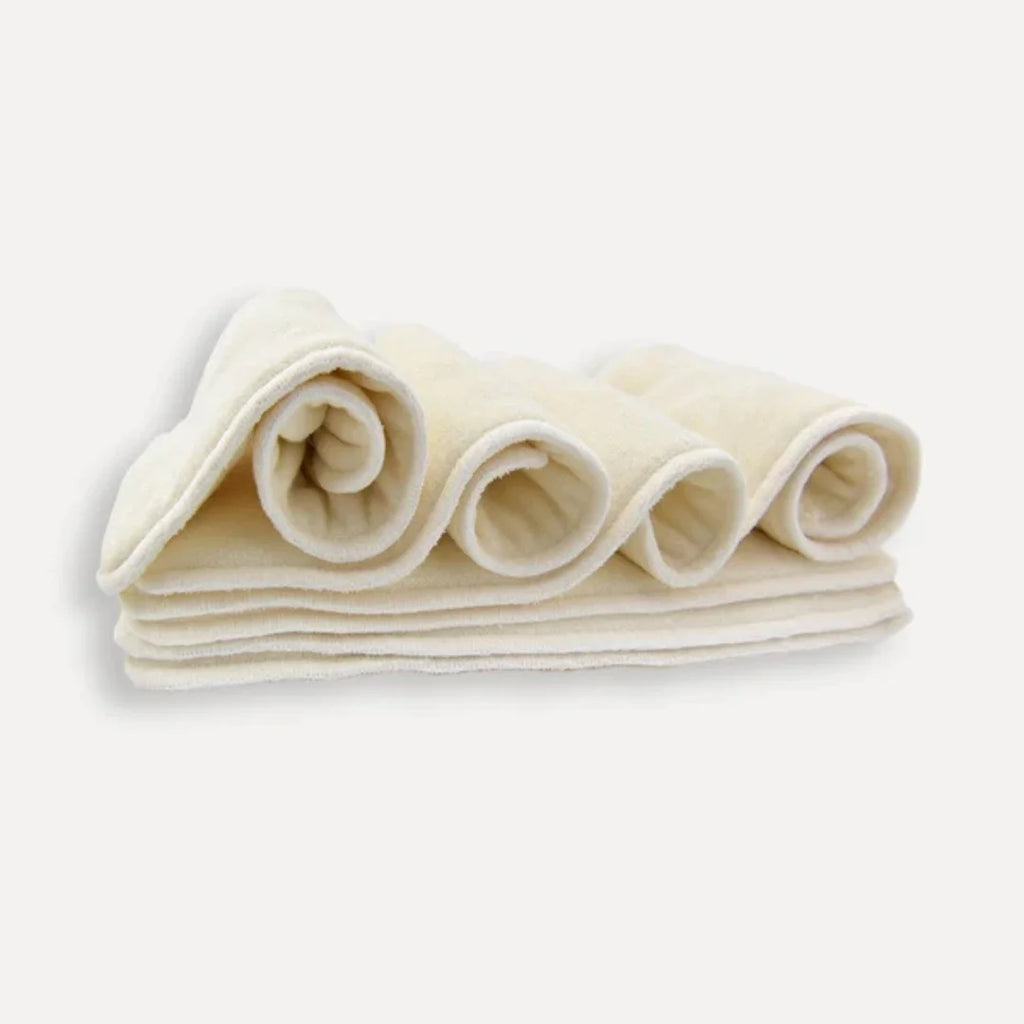
Inserts are ready to use with no folding required. They are slim, easy to place inside pocket diapers, and ideal for everyday daytime changes.
- Ready to use!
- Slim, trim, and great for everyday diaper changes.
- Simply stuff into your pocket diaper, or snap into compatible covers.
- Ideal for daytime use and quick changes.
Prefolds
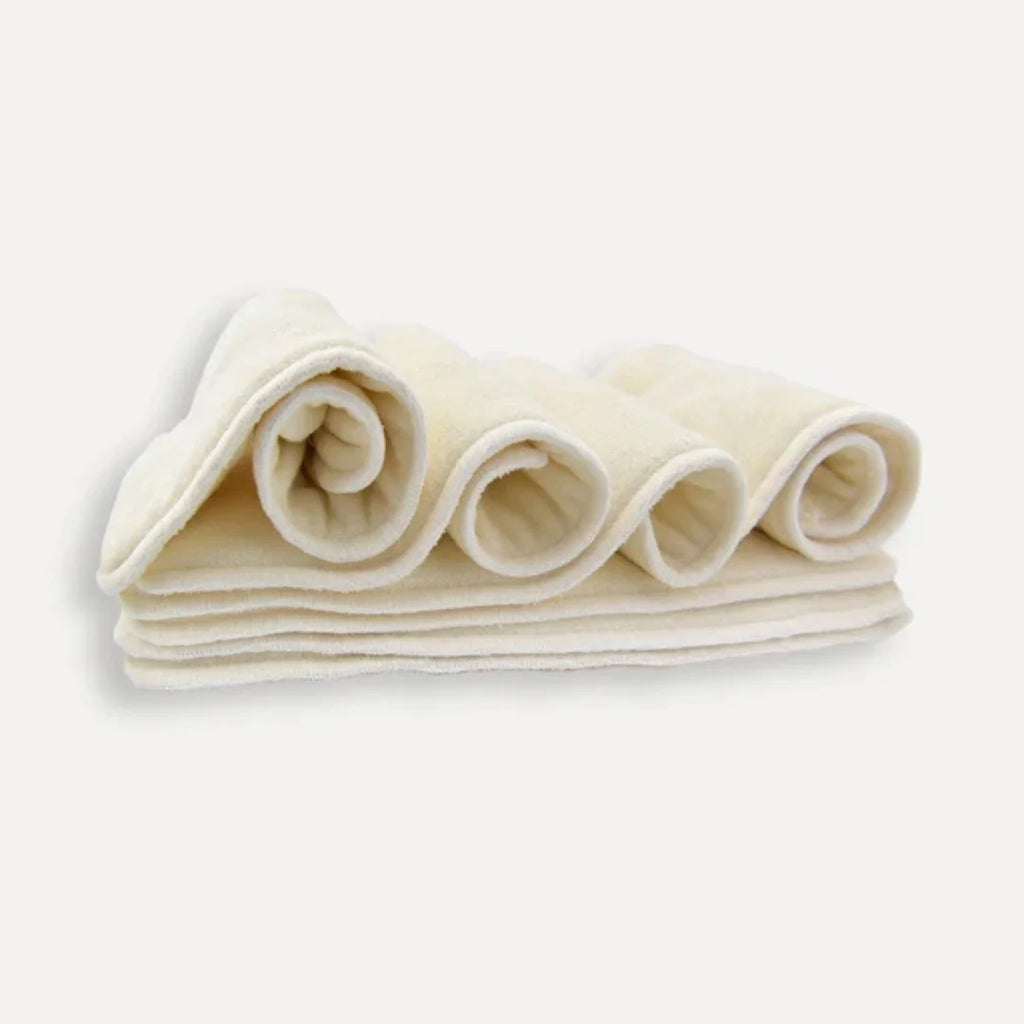
Prefolds are folded before use, which lets you customize absorbency where your baby needs it most. They usually offer more absorbency than standard inserts, making them a great option for overnight use, naps, or heavy wetters.
- Folded before use to customize absorbency
- Typically offer more absorbency than standard inserts, making them a great choice for overnight use or heavy wetters.
- Can be used inside pocket diapers or with diaper covers.
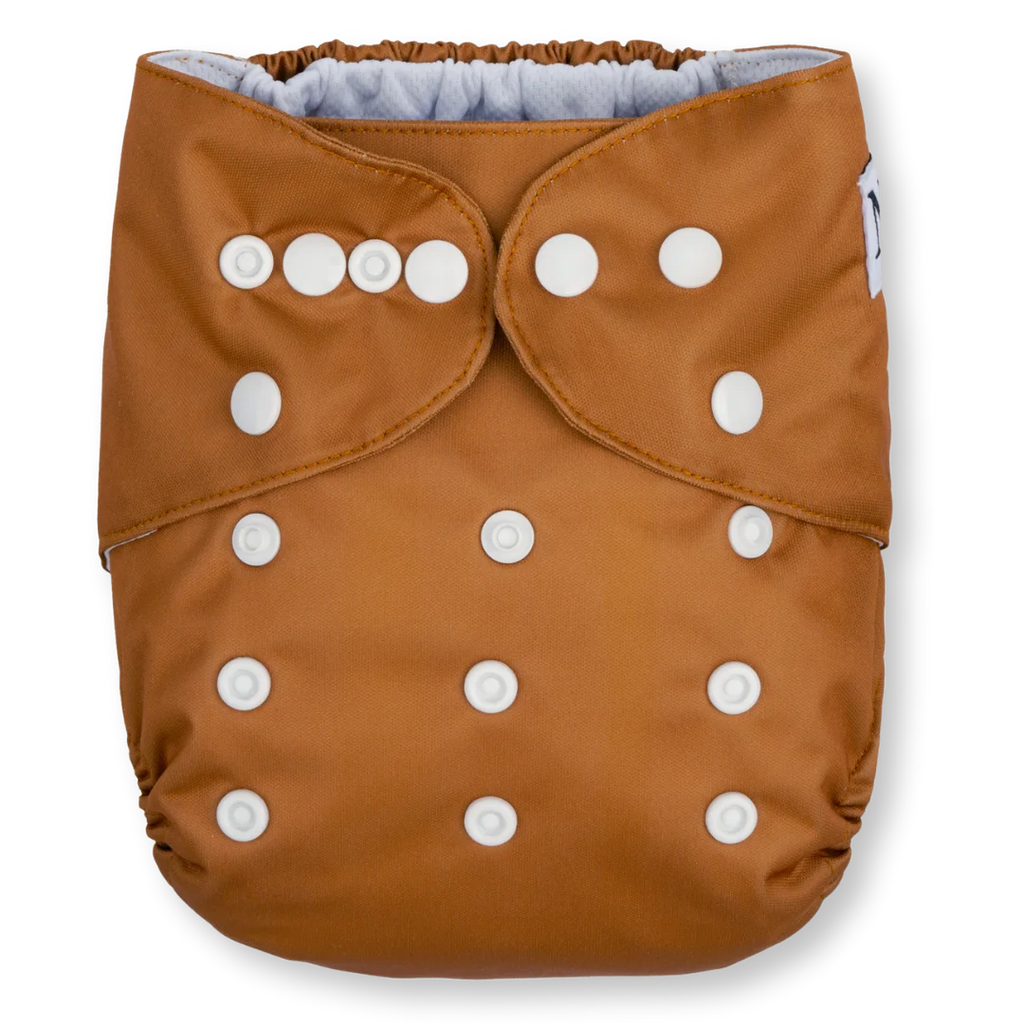
Pocket Diapers vs. Cover Diapers: Whats' The Difference?
Which insert type should you choose?
If you want convenience, inserts are a great everyday option. If you need more absorbency or want a customizable solution, prefolds are a great choice. Many cloth diapering families keep both on hand for different stages and situations!
Compare Bamboo, Bamboo Charcoal and Microfibre, Hemp, and Cotton find the right insert, and absorbency for your baby!
Compare Insert/Prefold Absorbency
Shop Our Insert/Prefold Collection
Want to Save?
Bundle and Save with our Bundles Kits! From cloth diaper and insert trial kits to nursery essentials and bundles built specifically for your newborn, baby, or toddler; There is an option for every stage.
BUILD YOUR OWN Starter Kit! It’s everything a new cloth-diapering parent needs to get started! diapers, inserts, wet bags, pail liners, a change pad, and wipes for a fraction of the cost. It’s our way of removing the biggest barrier: the high upfront cost of going reusable!

TESTING YOUR WATER HARDNESS LEVELS
Why Water Hardness Levels Matter:
Hard water can affect your diapers more than you think. Minerals can build up in fabric over time, reducing absorbency and contributing to odors, leaks, or residue.
How To Test Your Water:
Testing your water is one of the best ways to prevent wash routine issues. You can use water testing strips, which are often available online, at pet stores, or at hardware stores. You can also contact your local government or water quality organization for information about your area’s water.
Adjusting Your Routine for Hard Water:
Very Hard Water: 180ppm + : If testing indicates your water hardness exceeds 180 ppm, you have very hard water, and you should be using a water softener for all your laundering activities.
Our Recommendation: Use about 1/4 of a cup of softening agent per load. If your water hardness is above 250 ppm, consider increasing the amount to 1/2 a cup per load.
Moderately hard 17 -175ppm If you’re water hardness is above 17 ppm but below 180 ppm, using a detergent with an added softening agent might be enough.
If you have moderately hard water, you may need to add a water softener to your wash routine. light water softener, or detergent with water softener added may be just trick! Learn about the best detergents to use for cloth diapers, and picking the best for your water levels.
If your water is very hard, a water softener will be needed in all rinse and wash cycles to help prevent mineral buildup.
Click here to find out your water hardness levels
For the most accurate results, test water from a source close to your washing machine or directly from the washing machine itself. Some homes have filters or softeners in certain areas, so testing at the laundry source gives the most helpful result.
Before testing, make sure you are using a water source close to your washing machine, or ideally the water directly from your washing machine. This will help ensure you are getting accurate results. Some homes are equipped with water softeners or filters in fridges, kitchen sinks, bathrooms, etc. Knowing your water hardness right at the source will help guide your laundry routine.
Not sure if you have hard water? Check out our Hard Water and Cloth Diapers blog to to learn more about locations with hard water, and how you can adjust your cloth diaper washing routine!
Have hard water? Check out our tips on choosing a water softener for cloth diapers and selecting the best detergent for cloth diapers in hard water. Read more on why your water hardness matters for cloth diapers here.
How To Wash Your Cloth Diapers:
Washing cloth diapers does not have to be complicated. A simple routine, adjusted for your washer, detergent, and water hardness, can keep your diapers clean and absorbent.
Cleaning Your Cloth Diapers: Our Recommended Wash Routine!
Step 1: Remove Waste and Pre-Rinse
Remove solids by simply just flushing them into the toilet, then run diapers and inserts through a cold water rinse cycle. No detergent is needed for this step. The rinse helps remove waste and urine before the main wash.
* if you have hard water, make sure you add your water softener to this step!
Newborn poop
Newborn and/or exclusively breastfed babies stool is usually water-soluble and can often go directly through a rinse and wash routine. A cold pre-rinse can help reduce staining.
For formula-fed babies, stool may be thicker, so removing excess waste before washing is helpful. A diaper sprayer or handheld bidet can make this step easier.
Rinsing after use helps prevent stains, odors, and buildup while keeping your diapers fresher until wash day.
Step 2: Main Wash
We recommend washing cloth diapers and inserts every 2 to 3 days.
Use a normal warm or hot wash cycle with a cloth diaper-safe detergent. For regular washes, use water under 95°F to help extend the life of your diapers. For very soiled diapers or buildup concerns, water can be warmer, but should stay under 115°F. Never boil cloth diapers or inserts, as this can damage them.
Use the maximum water level setting when possible and follow your detergent manufacturer’s recommended amount.
Choosing the right detergent can make all the difference. See our complete guide to cloth diaper-safe detergents.
Can I Bleach My Diapers? Bleach is not recommended for regular cloth diaper care because it can be tough on fabrics. It should only be used when needed to address bacteria, ammonia, or yeast concerns.If bleach is needed, focus mainly on inserts, where odors and buildup are most likely to occur.
After a bleach soak, continue with a deep cleaning or stripping routine. See our blog for details.
Step 3: Extra Rinse (If Needed): A final cold or warm rinse can help remove any leftover detergent. This step is especially helpful if you have soft water or notice detergent residue after washing. Detergent left behind can contribute to buildup, odors, repelling, and reduced absorbency.
REMEMBER: If you have hard water, use a water softener in ALL rinse and wash cycles. Skipping it in one step can allow minerals to build up and may lead to odors, repelling, or the need to strip your diapers.
Read all of our tips for washing cloth diapers in hard water in our blog!
Step 4: Drying Your Diapers
To extend the life of your diapers, tumble dry on delicate or low heat. Hang drying is also a great option and saves energy.Avoid dryer sheets, as they can leave residue and reduce absorbency.Nora's Drying Tips:
-
Hang drying cloth diapers outside in the sun not only helps dry your diapers quickly, but the sun is a tried and tested way to remove stubborn stains!
- Skip fabric softeners and dryer sheets. They can leave behind residue that coats your diapers and reduces absorbency.
Quick Reminder: Never use fabric softener. It can reduce absorbency over time.Struggling with Cloth Diaper Leaks? They are usually a clue, not the problem.
Most leaks can be solved by adjusting the fit, increasing absorbency, or fine-tuning your wash routine.

Different Materials, Different Drying Temperature?
Not all cloth diaper materials respond the same way to heat. Cotton and hemp can shrink more in warmer washes, while microfiber and TPU waterproof layers do best with moderate heat.
To help protect your diapers and inserts:
- Use warm water for regular cleaning, but avoid excessive heat.
- Air dry or tumble dry on low heat when possible.
- Avoid fabric softeners and dryer sheets.
A little material-specific care can help keep your stash absorbent and long-lasting.
Remember!
1. More absorbency isn't always about a bigger diaper. Adding an extra insert or prefold is an easy way to customize your diaper for naps, overnight, or heavy wetters.
2. A good fit is just as important as good absorbency. Make sure the diaper sits snugly around your baby's legs and waist without gaps to help prevent leaks.
When drying, air drying is always a great option to extend the life of your diapers, but if using a dryer, stick to low heat (tumble dry on a delicate) especially for covers and pocket diapers—to keep elastics and waterproof layers in top shape. A little material-specific care goes a long way toward keeping your stash in great condition! See our section on drying below for more details!
Adjusting For Your Washing Machine
Every washing machine is different. What works for one family may not work for another. Don't be afraid to adjust your routine based on your machine, detergent, and water hardness.
Machine Types:
Top-loading Machine: often gives you more control over water levels and provides strong agitation.
Font-loading high-efficiency machine may require adjustments to water level, load size, or cycle settings to make sure diapers are cleaned thoroughly.
Want to read more about using cloth diapers with Hard Water? Click here to read more.
Customize your stash! Pick your own pack and SAVE up to 40% with our single diapers! Now available in our OG Microfleece Pocket Diapers, Cover Diapers, and AWJ Pocket Diapers!

Choosing the Best Laundry Detergent for Cloth Diapers
When choosing a detergent for cloth diapers, look for strong cleaning power and avoid fabric softeners. If your baby has sensitive skin, you may also want to avoid heavy fragrances, dyes, optical brighteners, bleach, or harsh additives.A good cloth diaper detergent should:
- Clean thoroughly and leave diapers odor-free.
- be 'cloth diaper safe' check out Fluff Love's Detergent Index through "Fluff Love University" which walks through the top detergent brands, and how they work with cloth diapers!
- Support absorbency and reduce leaking.
- contain surfactants and enzymes!
- Work well with your washer and water type.
What Makes a Detergent Cloth Diaper Safe?
A cloth diaper-safe detergent should do three things:
1. Effectively Remove Urine, Stool, and Bacteria
Cloth diapers require a detergent with enough cleaning power to break down body oils, proteins, and waste. If a detergent isn't strong enough, residue can remain in the fibers, leading to odors, stains, and reduced absorbency over time.
Look for detergents that contain surfactants, which lift dirt and oils away from fabric, and enzymes, which help break down proteins, starches, and other organic messes. These ingredients are especially helpful for thoroughly cleaning cloth diapers.
What are Surfactants? Surfactants are the core stain removers that we look for in detergents. Surfactants help break up stains and disperse dirt that otherwise wouldn’t dissolve in water, which is why they are important in a detergent for cloth diaper laundry.
What are Enzymes? Like surfactants, enzymes also help break down stains and boost cleaning power.. just be cautious with synthetic enzymes if your baby has sensitive skin. Avoid excess fragrances, dyes, bleaches and other harsh chemicals. Make sure your detergent does not contain fabric softener as this will cause repelling issues and build up on your diapers over time.
One of the biggest myths about cloth diapering is that you need a special "cloth diaper detergent", but many mainstream detergents work exceptionally well for cloth diapers.
2. Rinse Cleanly
A good detergent should wash out of the fabric during the rinse cycle.
When detergent or other additives remain behind, they can create buildup inside the absorbent fibers. Over time, this buildup may contribute to odors, leaking, or diapers that seem to repel moisture instead of absorbing it.
If you notice your diapers becoming stiff, developing persistent odors, or leaking even when the inserts aren't fully saturated, it may be worth evaluating your detergent or wash routine.
3. Avoid Ingredients That Coat the Fabric
Some laundry products are designed to leave fabrics feeling softer or smelling fresh, but those same ingredients can reduce the performance of cloth diapers.
It's generally best to avoid:
- Fabric softeners (make sure your detergent doesn't have any added in!
- Dryer sheets
- Laundry 'conditioner' or products that leave a conditioning or softening residue
These products can coat the absorbent fibers, making it more difficult for moisture to soak into the inserts.
Do You Need a Cloth Diaper-Specific Detergent?
No! Many regular laundry detergents work well for cloth diapers when they're used in the correct amount and paired with a good wash routine. You can also make your own DIY Detergent at home!
Choosing a detergent with enough cleaning power is often more important than choosing one marketed specifically for cloth diapers. The best detergent for your family will also depend on factors like your washing machine, water hardness, and the size of your diaper loads.
A Note About Free and Clear Detergents
Free and clear detergents can be a good option for cloth diapers, especially for families who prefer formulas without added fragrance or dyes. However, the words “free and clear” do not automatically mean a detergent will clean cloth diapers effectively.
Some free and clear formulas have strong surfactants and enzymes, while others are designed for very light laundry and may not have enough cleaning power for urine, stool, and buildup. Check the ingredient list and choose a detergent that cleans thoroughly, rinses well, and does not contain fabric softeners or conditioning agents.
The right amount also matters. Using too little detergent can leave diapers under-cleaned, while using too much can contribute to residue. Water hardness, washer type, and load size should all be considered when adjusting your routine.
Choosing the right detergent can make all the difference. See our complete guide to cloth diaper-safe detergents, and our top recommendations!
REMOVING CLOTH DIAPER STAINS
Staining on cloth diapers is normal and usually cosmetic. As long as diapers are being cleaned thoroughly, stains should not affect absorbency.
Avoid boiling water and frequent bleach use, as both can shorten the life of your diapers. One of the safest and easiest stain removal methods is drying clean diapers in the sun. Lay them flat or hang them outside for a few hours. Using disposable liners can also help reduce staining and make cleanup easier.
Stains happen!
Cloth diapers, unlike their disposable counterparts, often leave behind remnants of certain substances, especially from breastfed babies, due to the natural pigments present in their waste.
Additionally, minerals in water or residues from detergents can contribute to staining.Learn the safest ways to remove stains without damaging your diapers.
Visit our newly updated blog on Removing Stains in Cloth Diapers!

TROUBLESHOOTING CLOTH DIAPER LEAKS
If your diapers are no longer absorbing properly, have lingering odors, or seem to be causing irritation, you may be dealing with residue buildup.
RESIDUE BUILD-UP
Common Causes:
1. Washing in hard water without water softener
Minerals can build up in fabric and reduce detergent performance.Find out your water hardness levels before you wash! Learn more about washing cloth diapers in hard water- Check out our blog!
2. Urine or waste not fully washing out
A strong rinse and wash routine helps prevent odors and buildup.
3. Too much, too little, or unsafe detergent
Incorrect detergent use can leave residue or prevent diapers from getting fully clean. See our cloth diaper safe Detergent Recommendations
4. Using fabric softeners: Fabric softener can coat fibers and reduce absorbency.
5. Using unsafe cloth diaper diaper creams: Some creams leave a barrier on fabric, which can lead to repelling. Choosing a cloth-safe diaper cream protects your diapers and keeps baby comfortable. See Our Recommended Diaper Creams
HOW TO TEST FOR REPELLING / ABSORBENCY ISSUES
Lay a clean insert flat and pour a small amount of water on it. Apply gentle pressure. If the water absorbs, the insert is working. If the water beads or rolls away, residue may be causing repelling.
When it may be time to strip! Fixing Residue Build-Up & Stripping Cloth Diapers
For a quick fix, start with a regular wash using the correct amount of detergent. Then run two or more hot water cycles without detergent. Dry normally.
If the issue continues, review your detergent amount, water hardness, and wash routine.
TIP: You can add a small amount of baking soda to a regular wash cycle to help neutralize ammonia smells. Do not make this part of your everyday routine, as overuse may affect diaper performance over time.
You may want to strip your cloth diapers every so often to address severe build-up and repelling. Read our full blog for more information!
A product like RLR Laundry Treatment can help address strong odors, mineral buildup, and detergent residue. Because it is a deep-cleaning treatment, use it only when needed for serious buildup. Run an extra rinse afterward to remove any remaining powder.
Still dealing with odors or repelling? Our Hard Water and Stripping guides walk you through exactly what to do.
TROUBLESHOOTING CLOTH DIAPER LEAKS
If your cloth diaper is leaking, and is fully saturated, you need to either:
- Change more frequently
- Add extra inserts for extra absorbency
Don't wait until your diaper is completely soaked to change it! Cloth Diapers absorb differently then disposables! Changing your baby's diaper every 2 to 3 hours helps prevent leaks and keeps your little one comfortable.

Tips for keeping your cloth diapers clean, and prolonging their lifespan!
- Use cloth diaper-safe detergent.
- Use cloth diaper-safe diaper creams.
- Use a water softener if you have hard water.
- Avoid using too much or too little detergent.
- Avoid water hotter than recommended.
- Use disposable liners if needed.
- Rinse diapers after use.
- Wash every 2 to 3 days.
Complete Your Cloth Diaper Setup!
Cloth Diaper Essentials That Simplify Your Routine
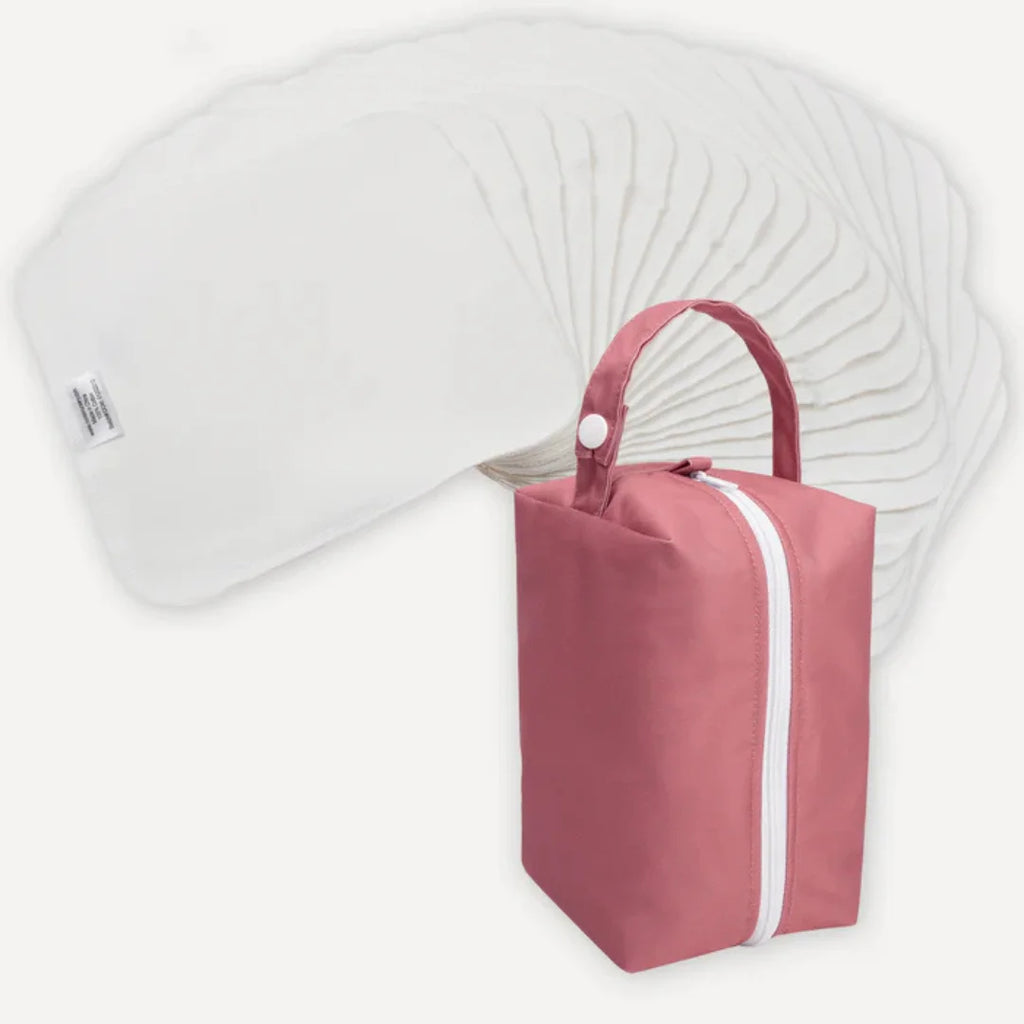
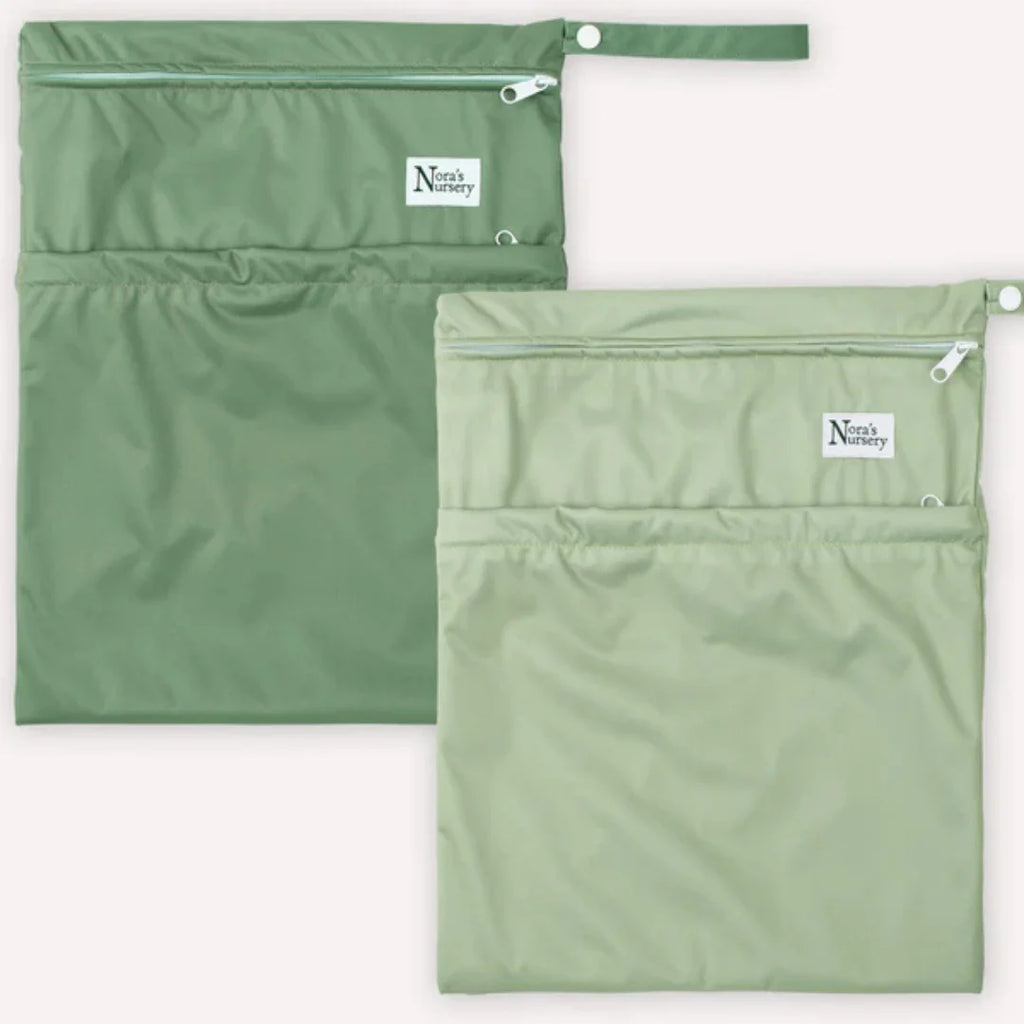
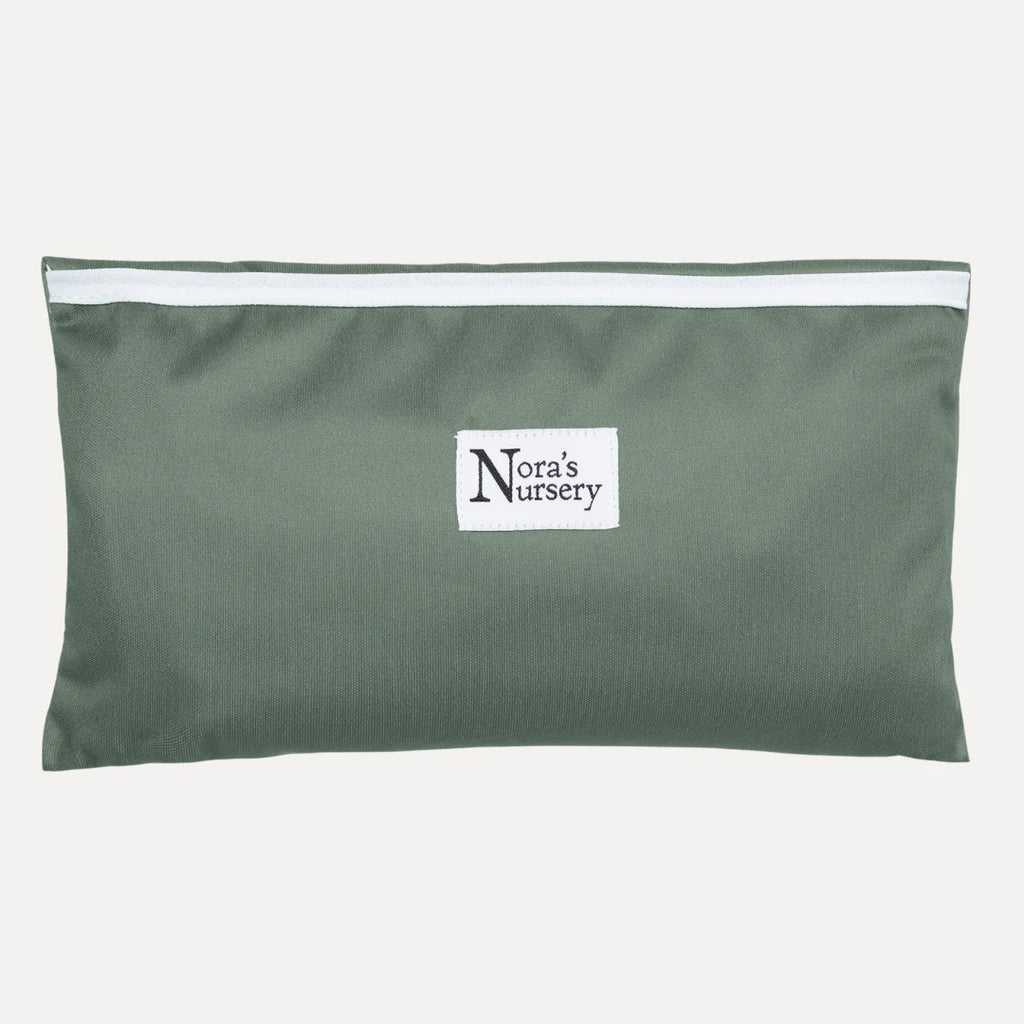
Keep a wet bag wherever life takes you. Whether you're heading to daycare, the park, traveling, or simply running errands, a wet bag makes storing clean and used diapers simple and mess-free. Separate compartments make it easy to keep clean and dirty items organized while you're on the go.
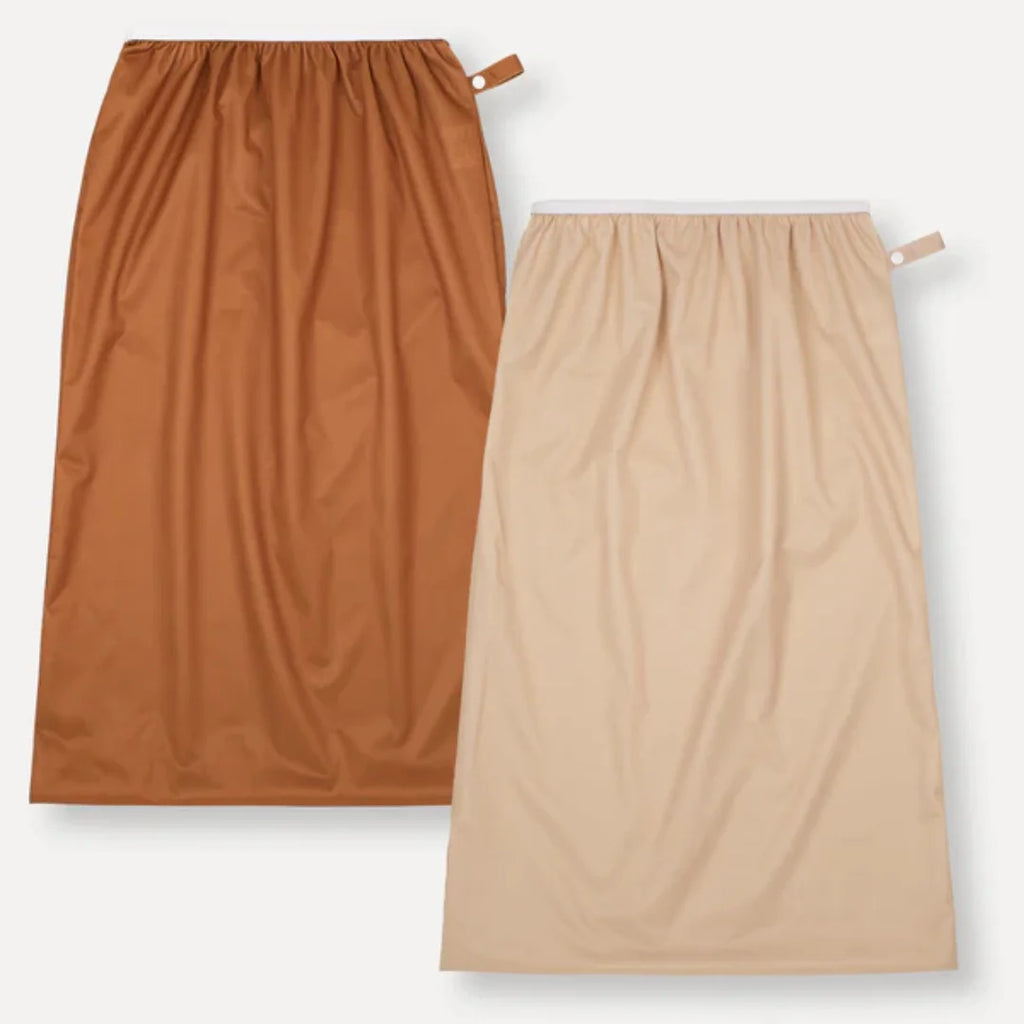
Make laundry day easier with reusable pail liners. Designed to fit most diaper pails and laundry baskets, pail liners help contain odors, simplify storage between washes, and eliminate the need for disposable trash bags. When wash day arrives, simply toss the entire liner into the washing machine with your diapers.
Reusable wipes are one of the easiest swaps families make after switching to cloth diapers. Soft, gentle, and absorbent, they work perfectly for diaper changes, mealtime cleanups, bath time, and everyday messes. Pair them with water or your favorite wipe solution for a simple and effective cleaning routine.
A portable change pad gives you a clean, waterproof surface for diaper changes wherever life takes you. Keep one in your diaper bag, stroller, vehicle, or nursery so you're always prepared for quick changes at home or on the go.
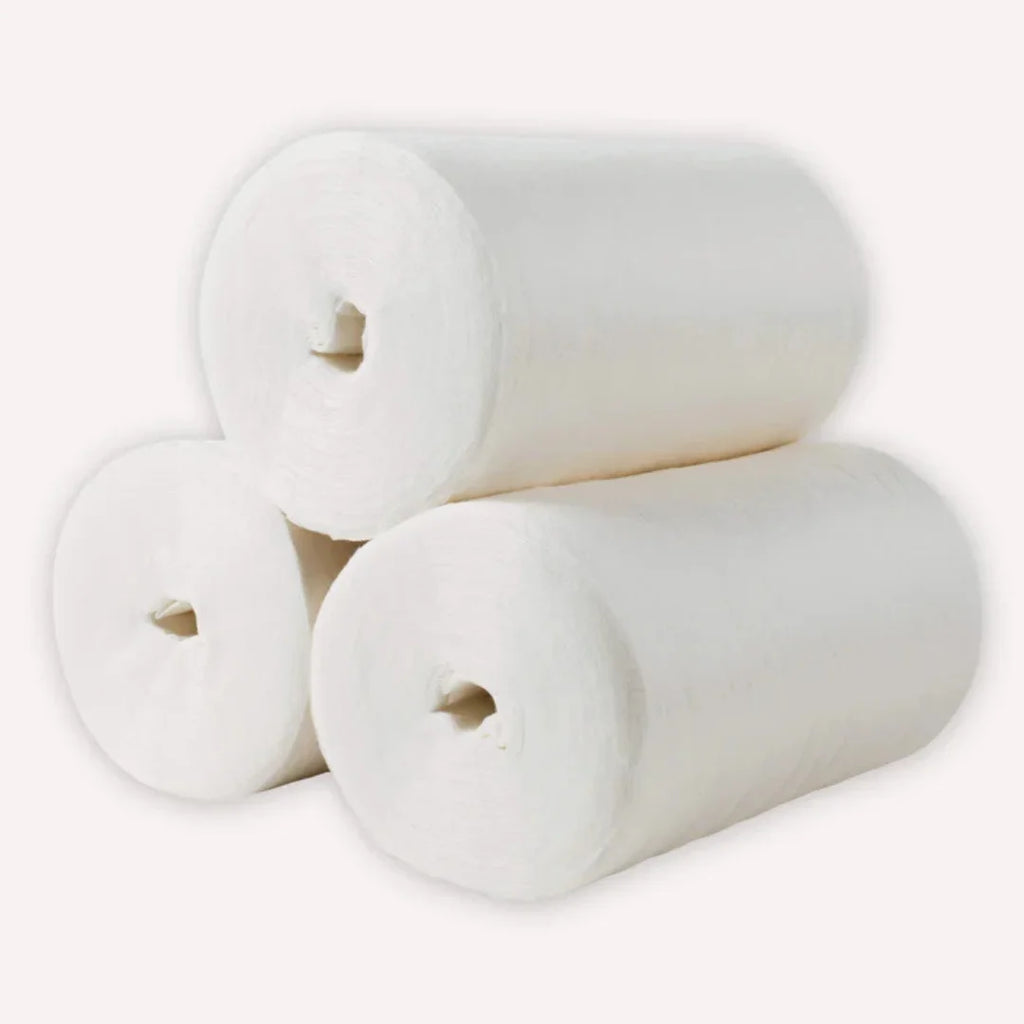
Looking for easier cleanup or using diaper creams? Disposable bamboo liners help catch solids, reduce staining, and protect your diapers from creams that may affect absorbency. They're especially helpful during the transition to solids or when sending cloth diapers to daycare.
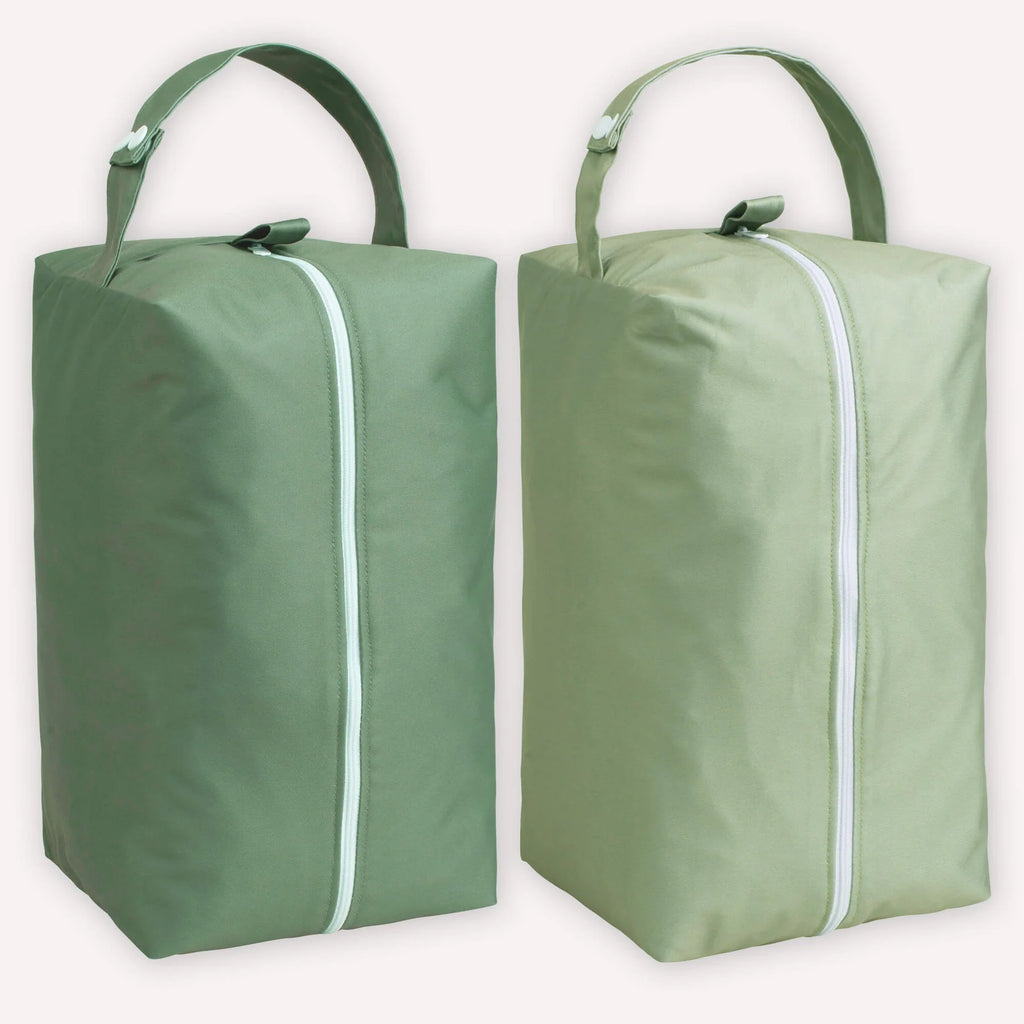
Perfect for organizing your stash at home or while traveling, diaper pods make it easy to store clean, prepped diapers and grab exactly what you need when you're on the go. They are also a favorite for daycare drop-offs and keeping diaper bags organized.
As your baby grows, their absorbency needs change too. Keeping a few extra inserts or prefolds on hand makes it easy to customize your diapers for naps, overnight use, long outings, or heavy wetters without needing to size up your diaper.
Get them all! Our Starter Kits combine the essentials into one convenient bundle, making it easy and affordable to begin your reusable journey with confidence.

Now you know the best ways to prep, wash, dry, and troubleshoot your cloth diapers.
Finding the right wash routine may take a little trial and error. Water hardness, detergent, washer type, diaper materials, and insert absorbency can all affect your results.
Want to learn more about inserts, what they are best for, and their absorbency levels?
Check out our Insert Absorbency Chart
Building your stash doesn't have to happen all at once.
Start with the essentials and add products as you learn what works best for your family.
If you need support, reach out to our customer care team! Send us an email or reach out to us on social! We are always happy to help.
For more information on cloth diapering, visit our ‘How-To’ section for more resources!
Continue Learning! Quick Links!
If you found this guide helpful, you may also enjoy:
• Best Detergents for Cloth Diapers
• Avoid Leaks: Get the Perfect Fit
• Removing Stains in Cloth Diapers
Want to learn more? Check out our Tiktok!
@norasnursery If you've checked out our recent revamp of our Washing 101 Blog, you may have noticed our added information on fabric softener, and why we say no to using it with cloth diapers! 🚫 Did you know that fabric softeners often contain chemicals and additives that can leave a residue on the fabric? This residue can build up over time, leading to repelling issues where the diapers are less effective at absorbing moisture. Fabric softeners can also coat the fibers of the diaper, reducing breathability and potentially causing irritation to the baby's skin. 🤯 To maintain the absorbency and effectiveness of cloth diapers, we will always recommend to avoid using fabric softener to help ensure your diapers remain soft, absorbent, and gentle on the baby's delicate skin!🤗 If you haven't yet, go read our our Washing 101 blog where we go over all things from diaper prep, and the best detergents to use, to understanding washing hard water, and curating your perfect wash routine! ✨️ Link In Bio! ✨️
♬ original sound - norasnursery
@norasnursery You just got your new pack of cloth diapers... You Know The Drill! It's Time To Prep! 🧺 #norasnursery #clothdiapers #washroutine #prep ♬ original sound - norasnursery


