




So, your little one is showing signs of readiness — now what? In this second blog in our potty training series, we’re diving into the transition from diapers to underwear, and 'how to actually start' potty training during the day.
Whether you're a fan of the 3-day method, child-led potty learning, or somewhere in between, in this blog, we’ll guide you through practical ways to prep your home, your routine, and your laundry pile for this new chapter!

Cloth Diapers + Potty Training: Making the Transition
Making the move from diapers to underwear is a major moment — for your child and for you. It's exciting, a little intimidating, and often pretty messy. But with the right setup (and mindset), you can ease the transition and help your little one gain confidence, one potty trip at a time.
If you’ve been using cloth diapers, you might be wondering: When do I actually switch to training pants? Do I need to buy something new? Can I use what I already have? The good news? Cloth diapering gives you a head start — and more flexibility than you might think.
When and How to Transition From Cloth Diapers to 'Training Mode'
Some toddlers show readiness to ditch diapers completely, while others need a gradual shift. You might start with diapers or pull-ups during outings, go commando at home, or rely on tried-and-true covers for backup protection.
The good news? You don’t have to buy a whole new stash.
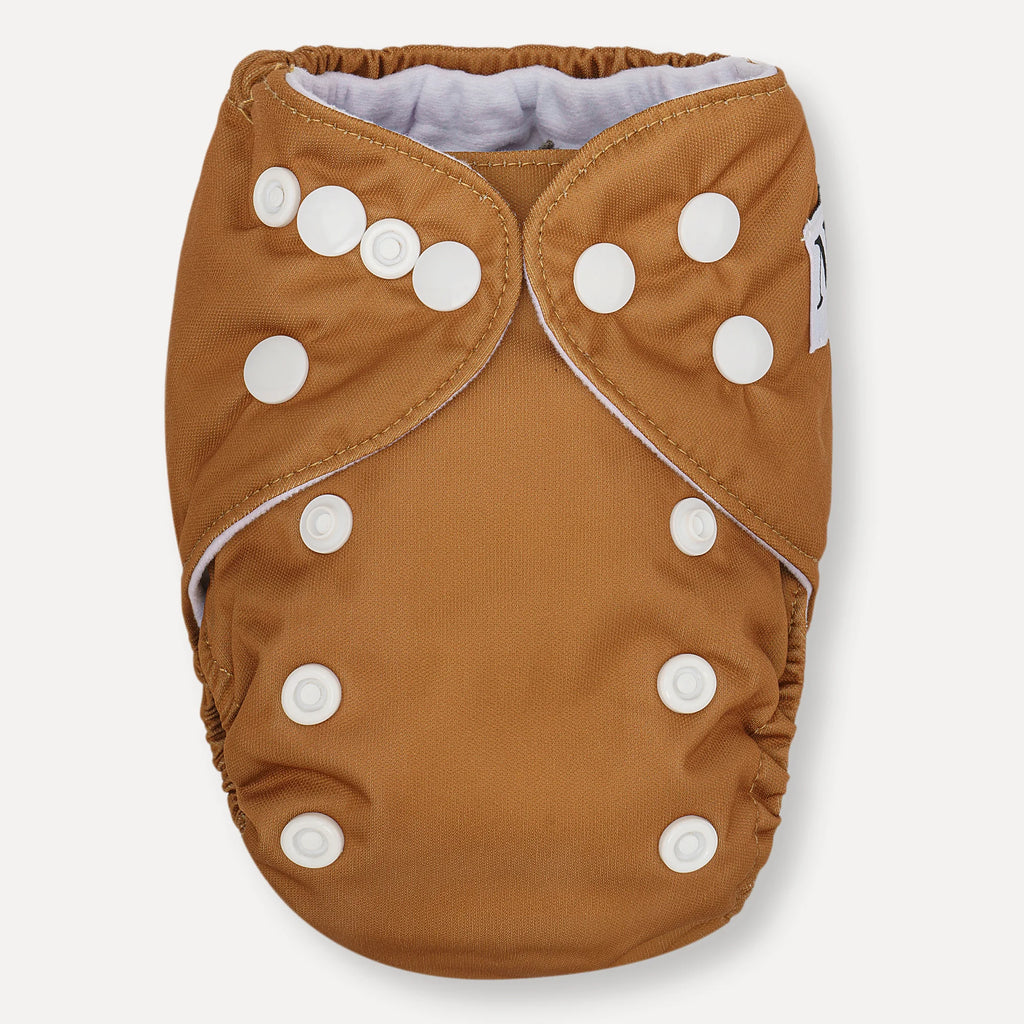
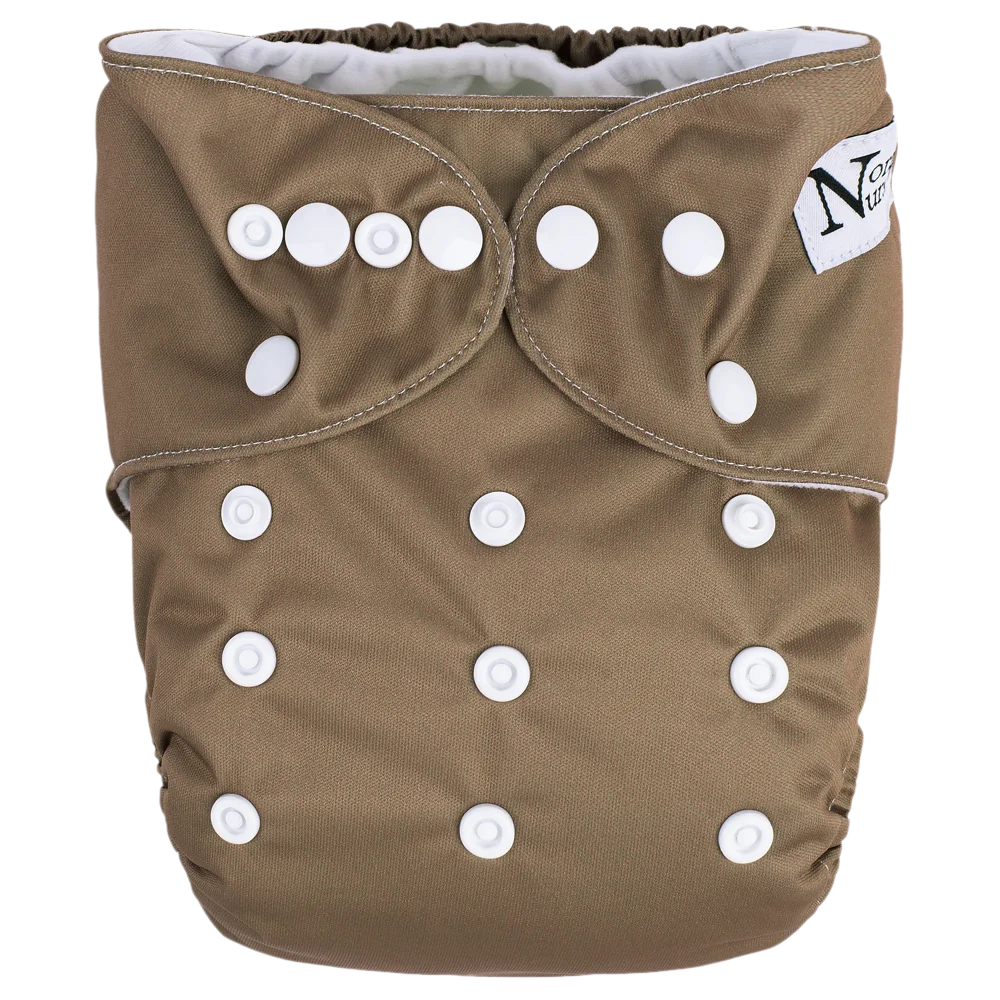
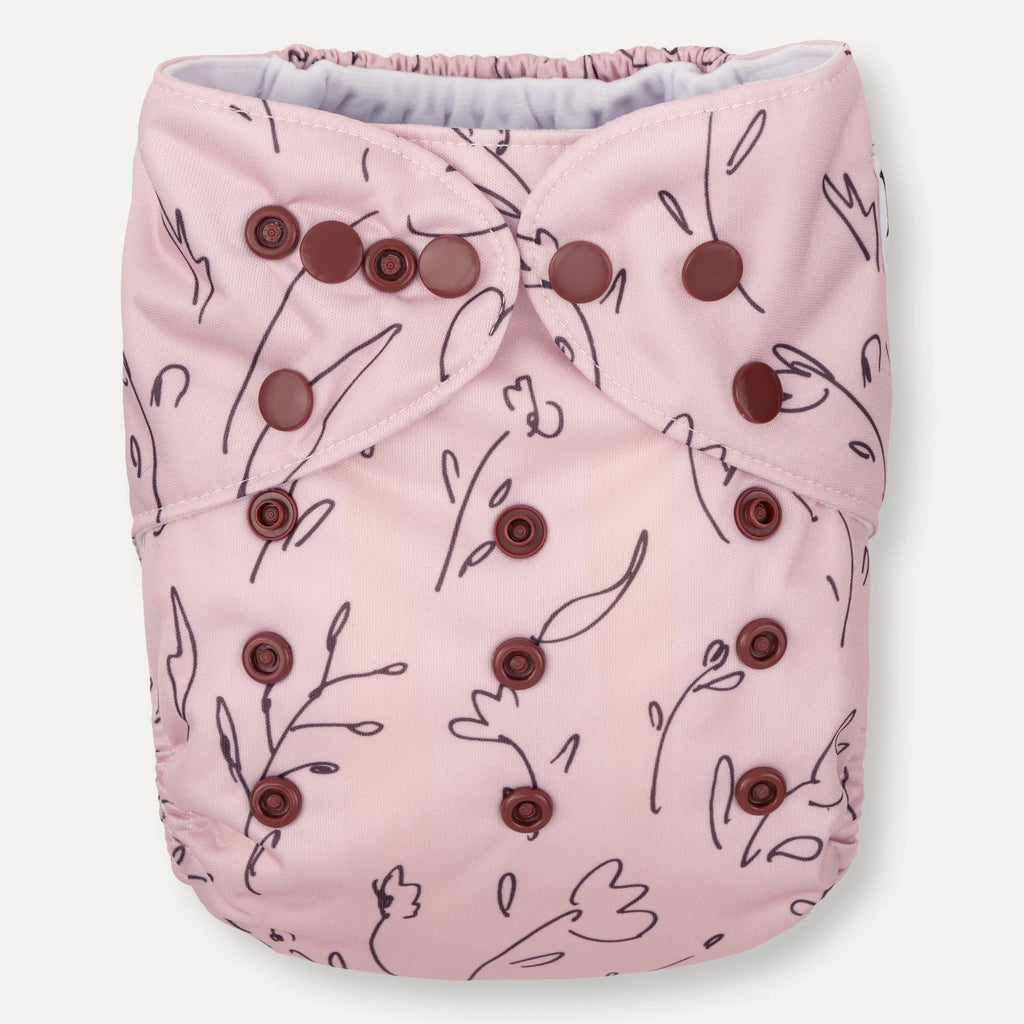
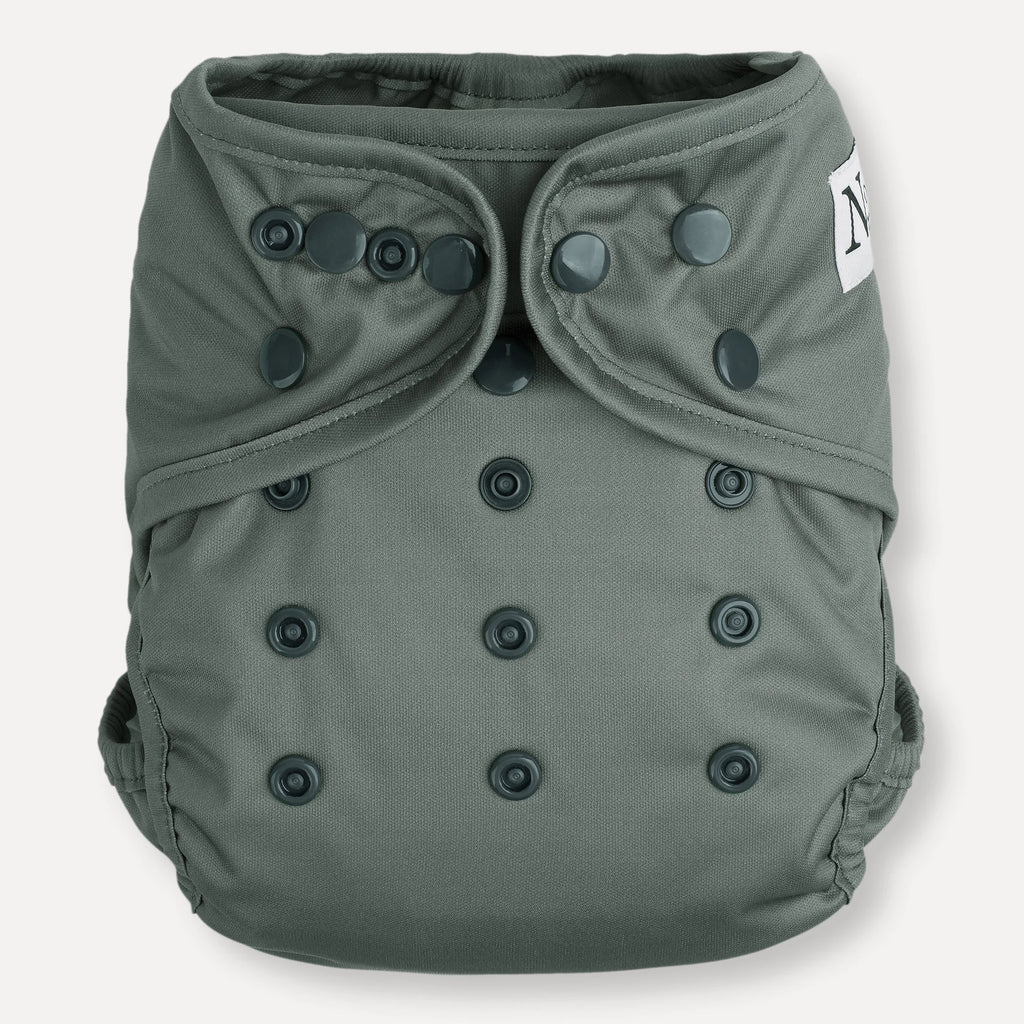
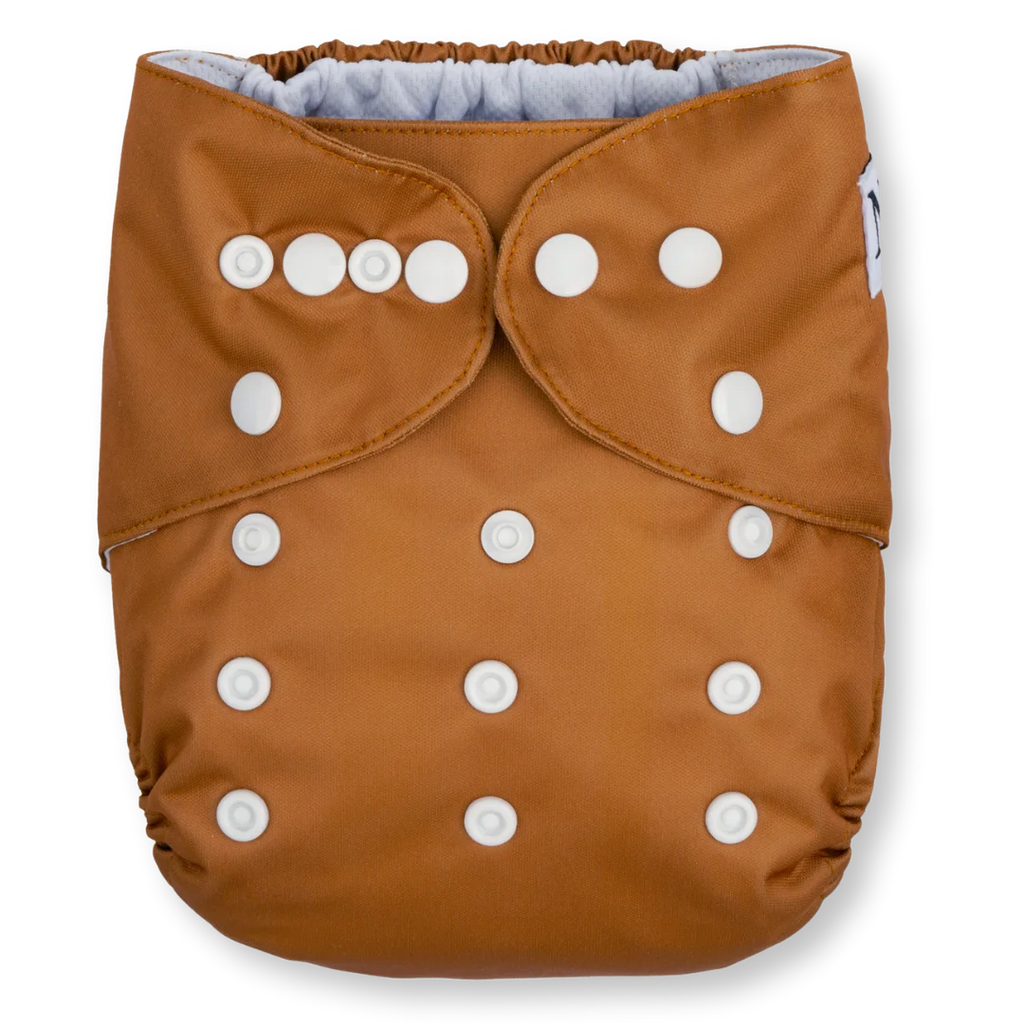
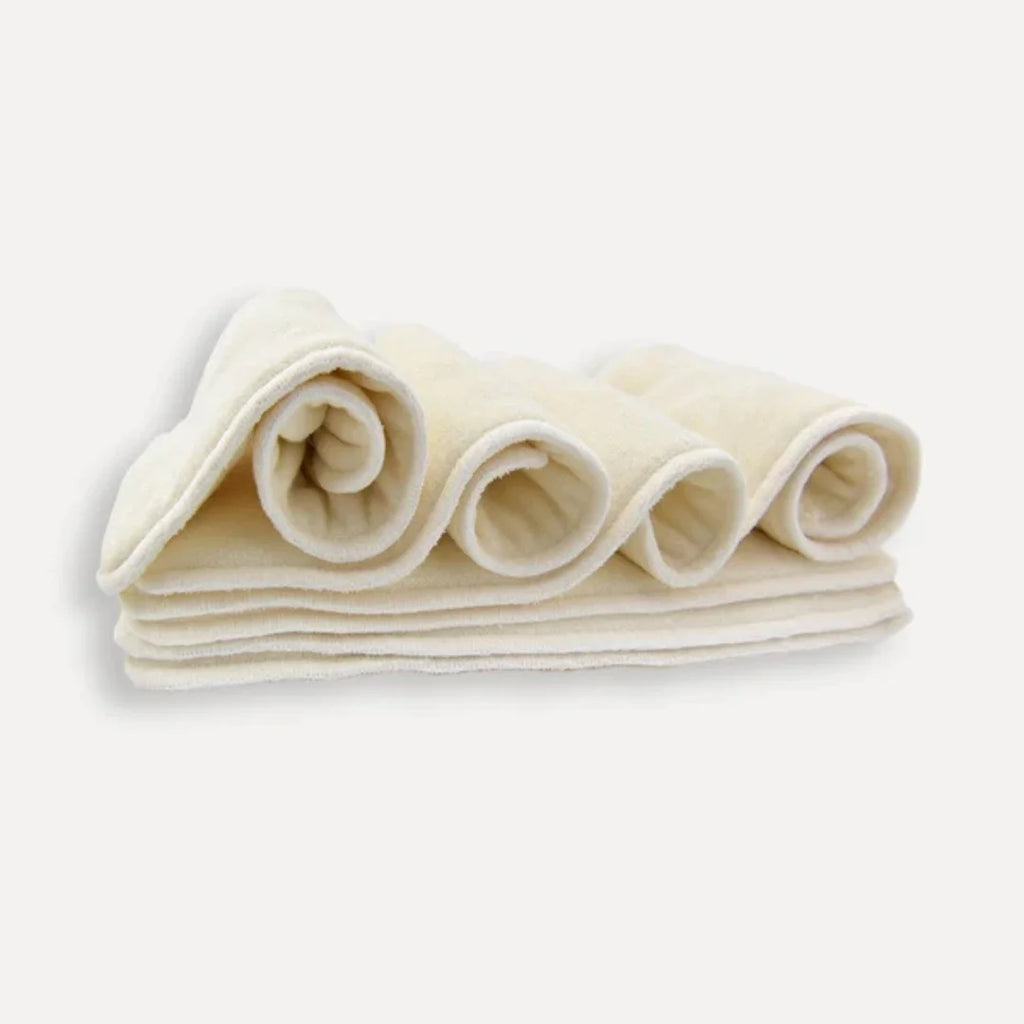
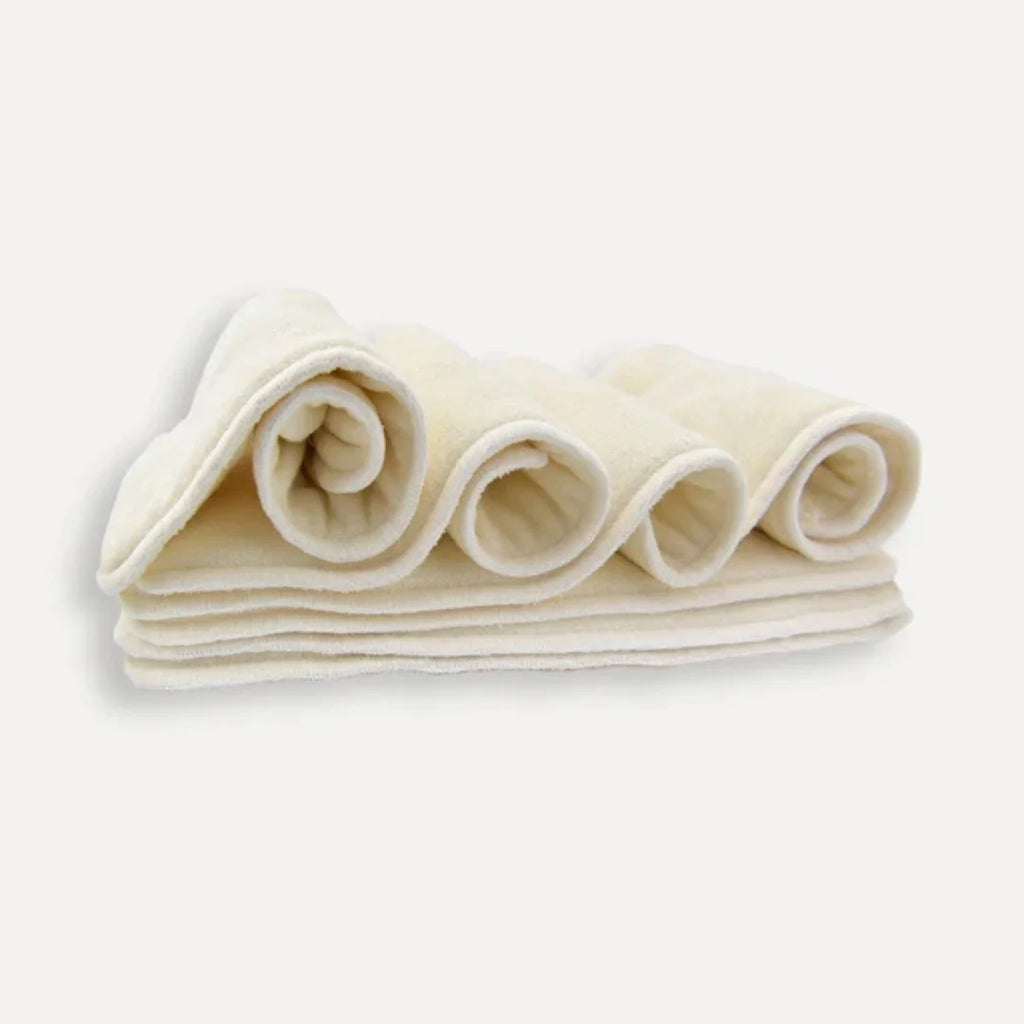
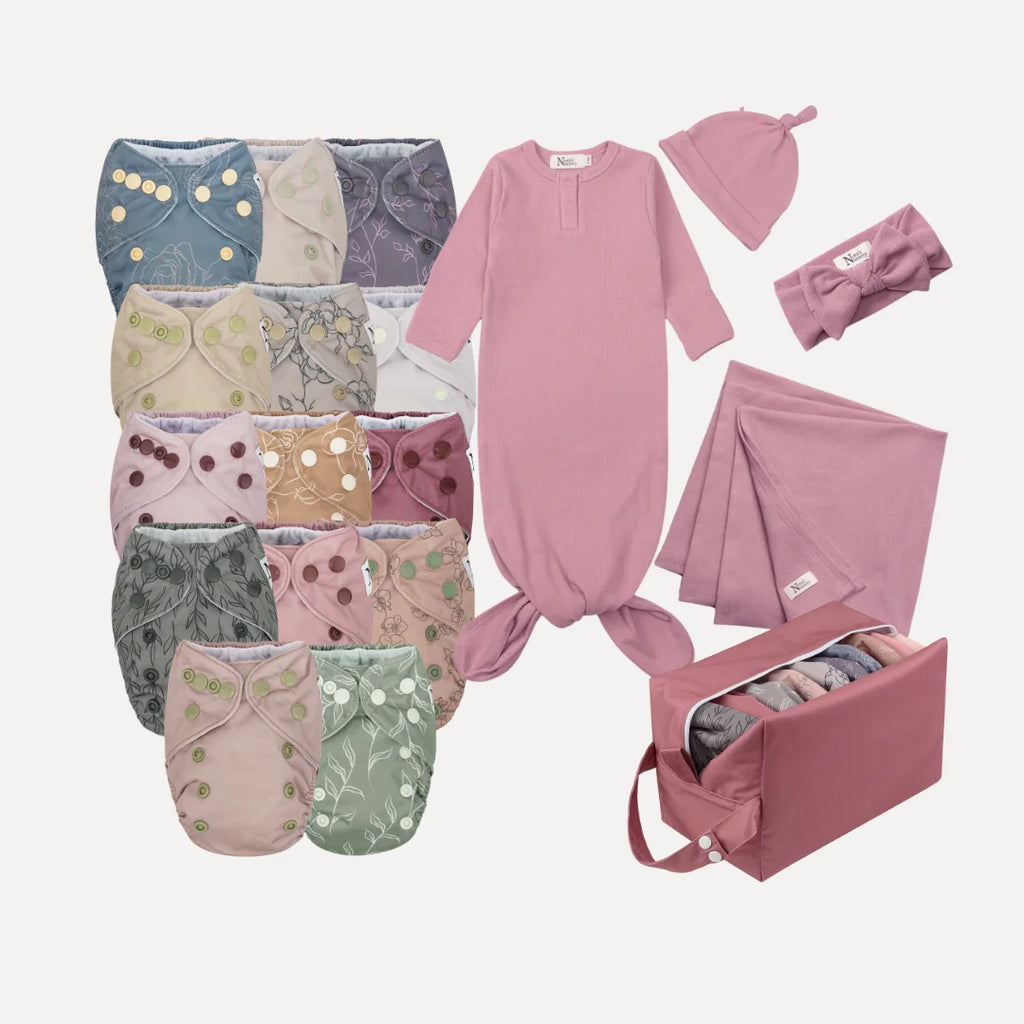
Our diaper covers can easily double as training pants when paired with a insert, cloth liner, or even worn alone during the early “practice” stages. They’re trim, washable, and easy to pull on and off — which makes them great for encouraging independence without sacrificing peace of mind. If you’ve got a little one who’s “almost there” but still has occasional misses, diaper covers are your best friend.
Do cloth-diapered kids really potty train faster?
Spoiler... often, yes! Because cloth diapers don’t wick away moisture like disposables, toddlers tend to recognize the feeling of being wet earlier — which can lead to faster awareness and readiness when it comes to using the potty.
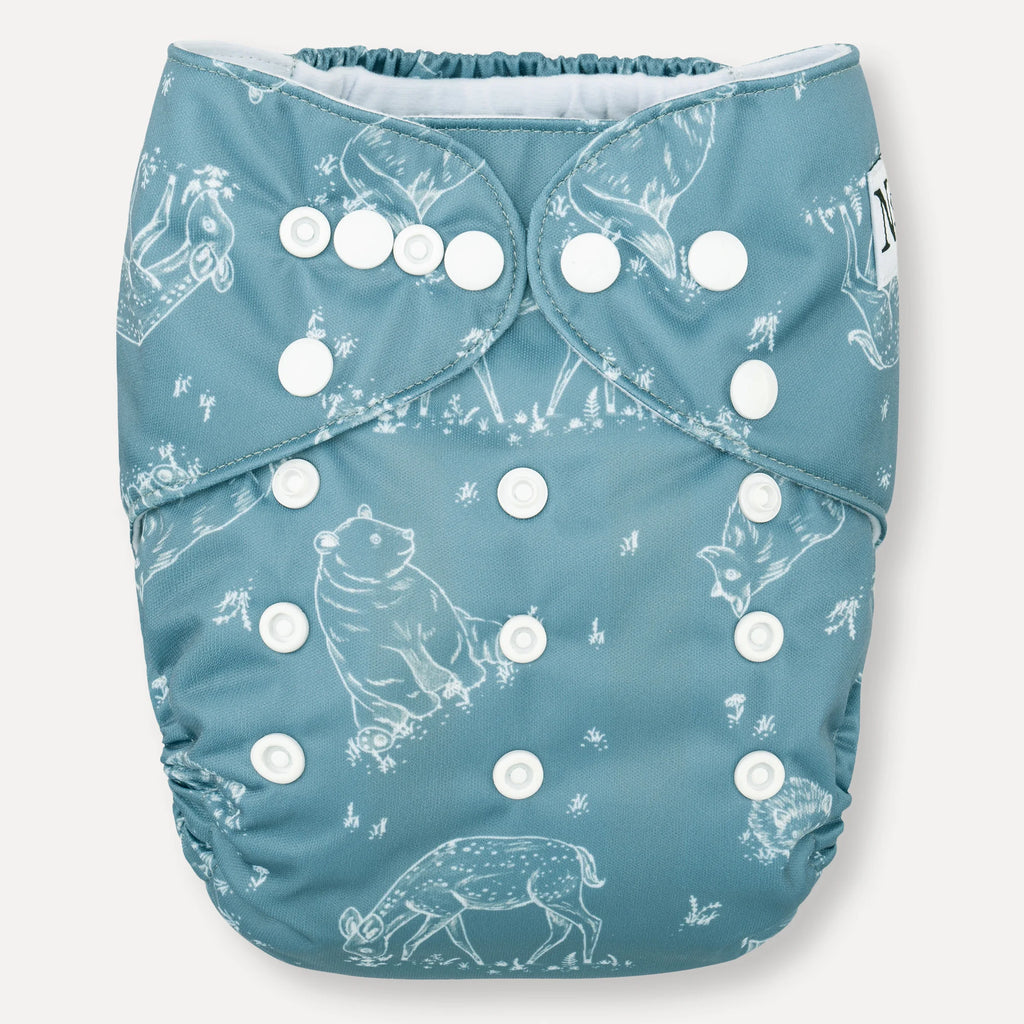
Check Out Our Toddler Diaper Collection for larger cloth diapers while your child is in this transition stage!
1. Prep the Bathroom for Toddler Success
Set up a bathroom space that encourages independence and makes your child feel capable.
Your mini potty setup checklist:
-
A toddler potty or potty seat for your toilet
-
A stool for reaching the potty and sink
-
Easy-to-grab toilet paper or wipes
-
Books or visuals for potty-time focus
Parent tip: Keep everything at their level — literally and developmentally. The more ownership they feel, the smoother this goes.
2. Protect Your Surfaces: Floors, Furniture & Beds
When your child starts wearing underwear, there will be accidents. That’s part of learning! But a few small home adjustments can make cleanups quicker and less stressful.
What to protect:
-
Playroom rugs or carpets
-
Couch cushions
-
Their bed or nap mat — especially important!
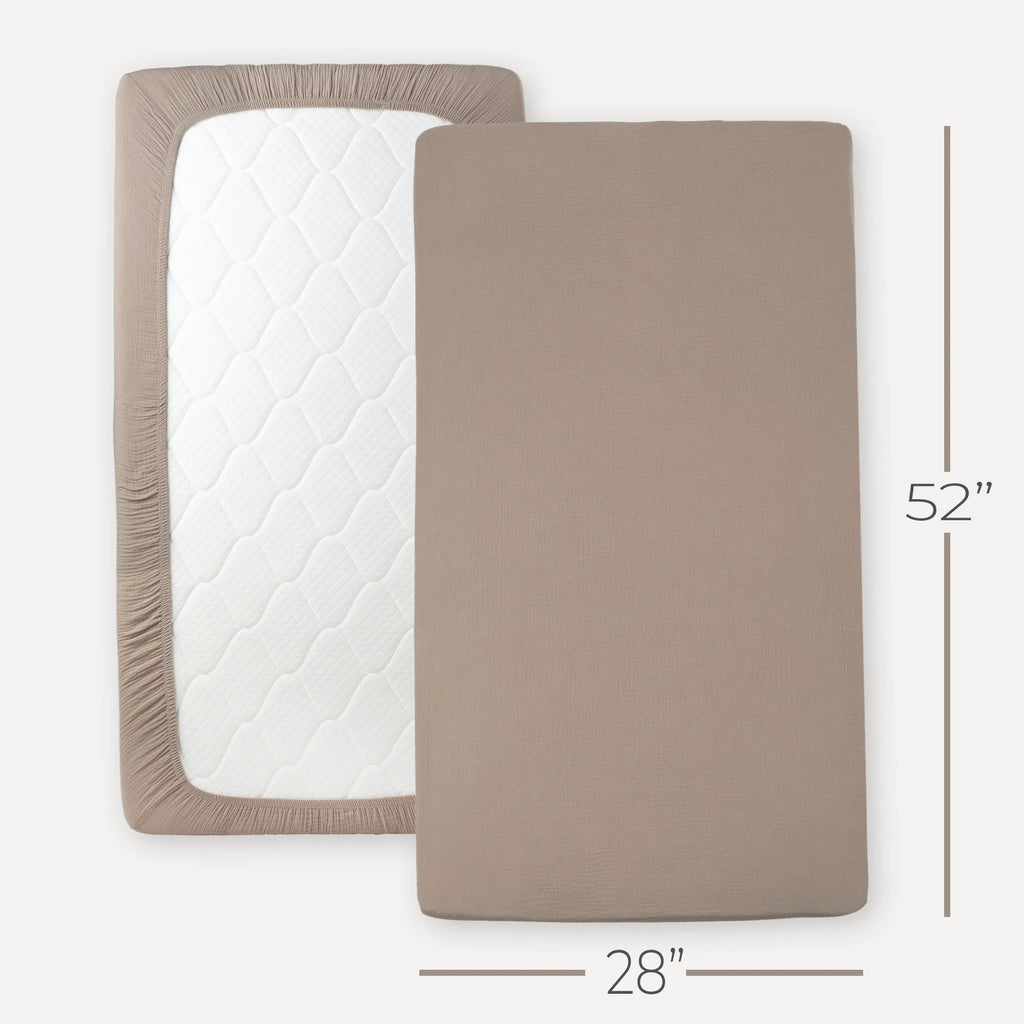
Waterproof mattress protectors are a game-changer during this phase. Accidents during naps and bedtime are common, and the last thing you want is to scrub a mattress at midnight. We recommend keeping one on your child’s bed before the first accident happens.
3. Create a “Potty-Ready” Routine
Structure helps kids feel safe. Try building a rhythm that includes potty breaks throughout the day — even before they feel the urge.
Sample Potty Routine:
-
After waking up
-
Before leaving the house
-
After meals/snacks
-
Before naps or bedtime
Use praise or simple rewards to reinforce the habit, but keep the focus on progress over perfection.

4. Dress for Potty Success
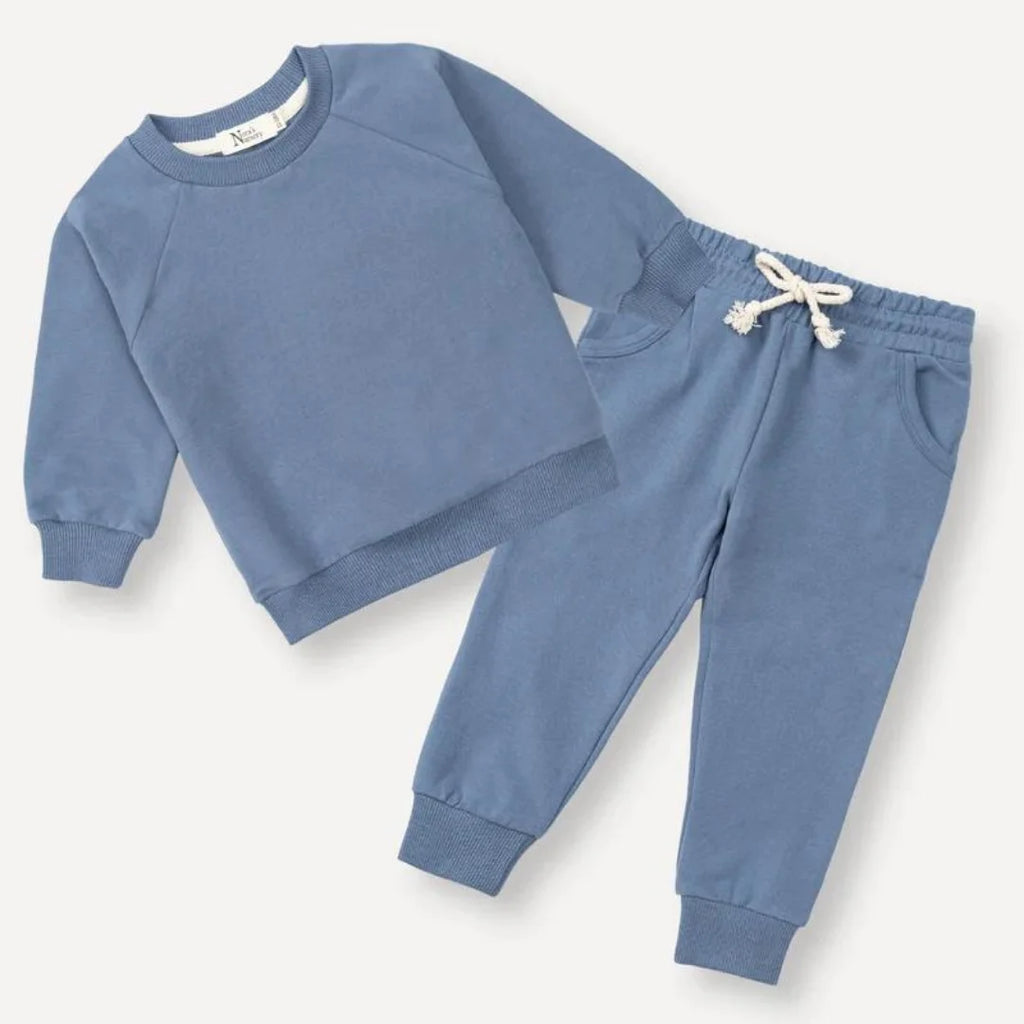
Clothes matter! Choose outfits that your toddler can pull up and down on their own. Avoid tricky snaps, tight pants, or one-piece rompers for now.
Pro tip: Training underwear or padded undies can give a little leak protection while still letting kids feel when they’re wet — which is key for learning.
5. Make Peace with the Mess
Accidents are inevitable — not just in the bathroom, but all over the house. Instead of seeing them as setbacks, think of them as part of the learning process. The goal isn’t zero accidents — it’s building confidence.
Having protective tools (like cloth diapers, mattress pads and extra wipes) helps you stay calm and lets your child feel safe taking risks.
Final Thoughts: Potty Training Is a Setup Game
Potty training isn’t just about timing — it’s about the environment you create. With a few smart changes around your home, you’ll reduce stress, encourage independence, and make this transition a whole lot smoother.

Nora’s Nursery Accessories for Potty Training Success
1. Waterproof Mattress Protectors - SHOP ON AMAZON NOW
Your #1 MVP for night training. Accidents happen, and our soft, breathable, machine-washable mattress pads help protect the bed and save your sanity.
→ Perfect for naps, nighttime, or sick days when you're on high alert. It’s the simple upgrade that makes life cleaner, calmer, and way less laundry-filled.
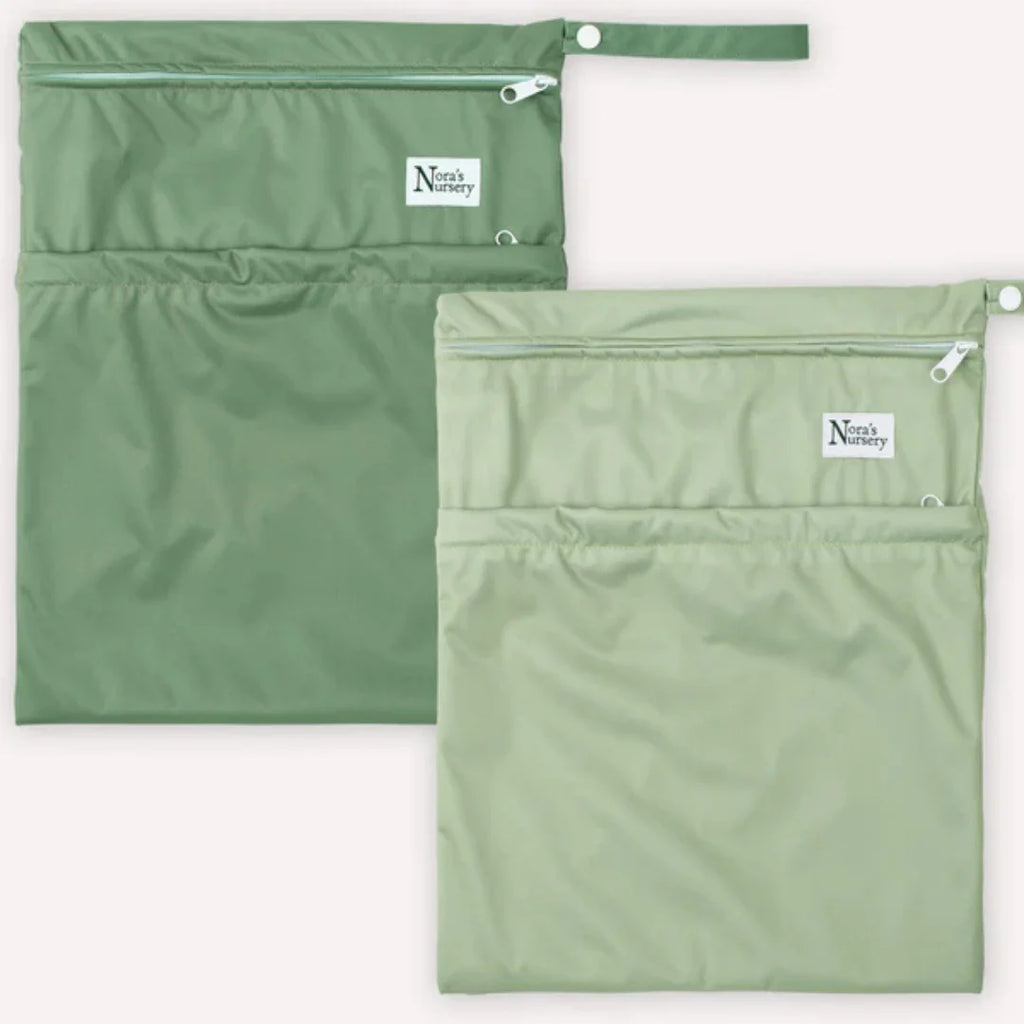
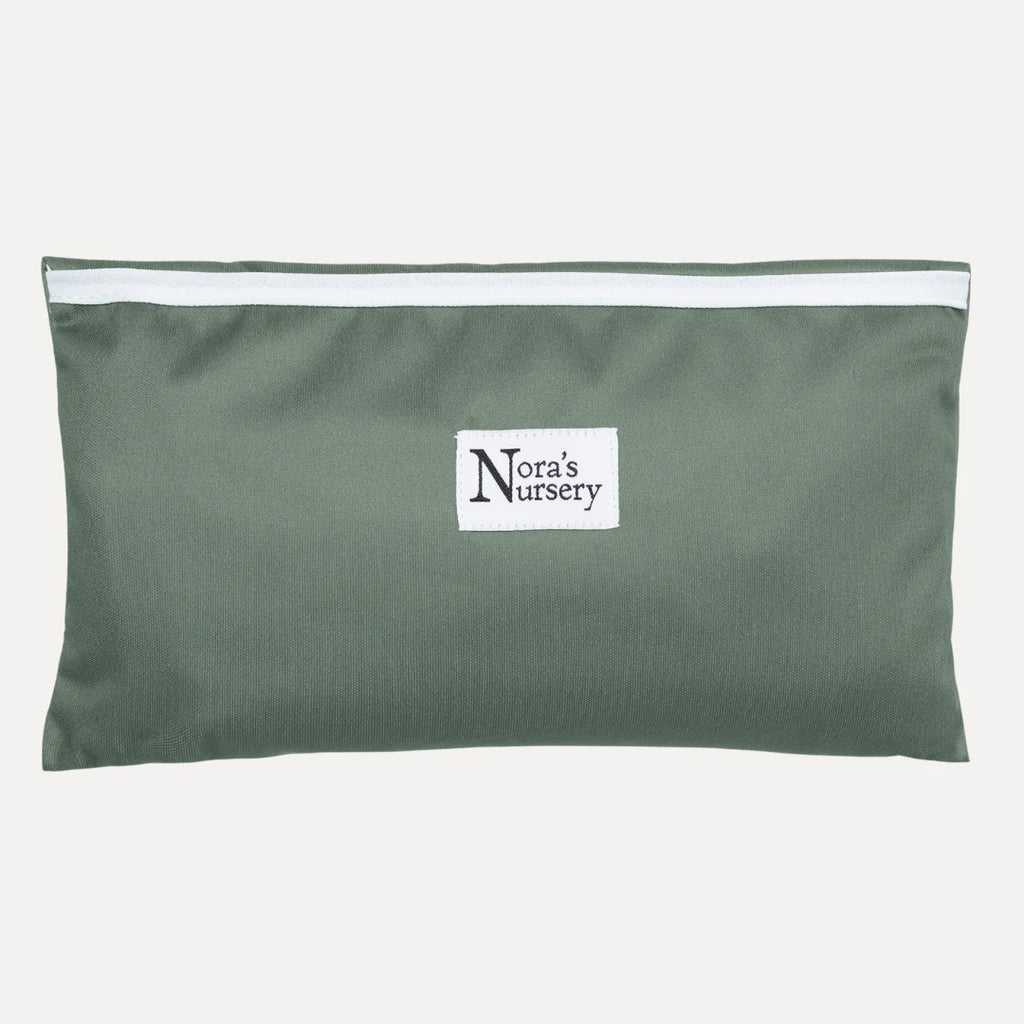
2. Wet Bags
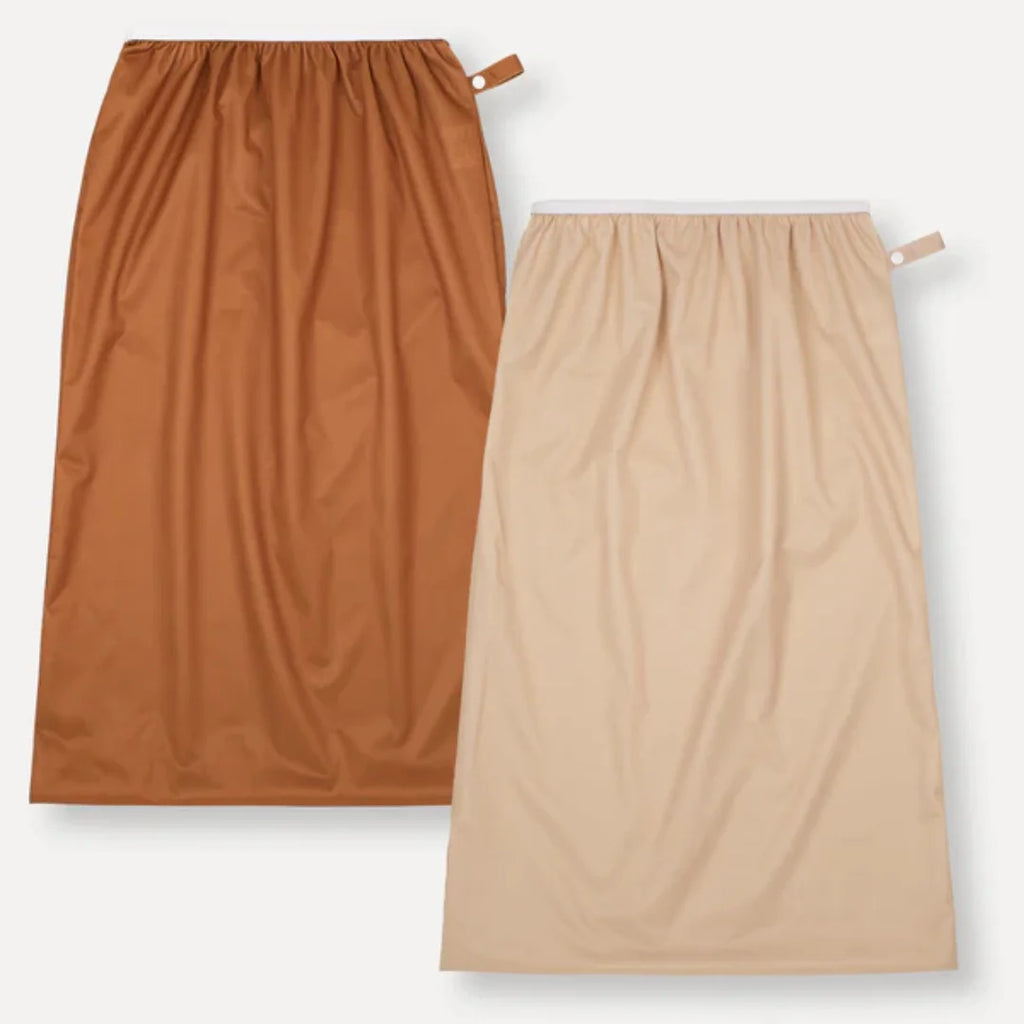
Mess containment = peace of mind. Our Waterproof Wet Bags are ideal for stashing soiled undies or clothing during outings.
→ Bonus: Use one compartment for clean backup clothes and one for anything wet.
3. Diaper Covers
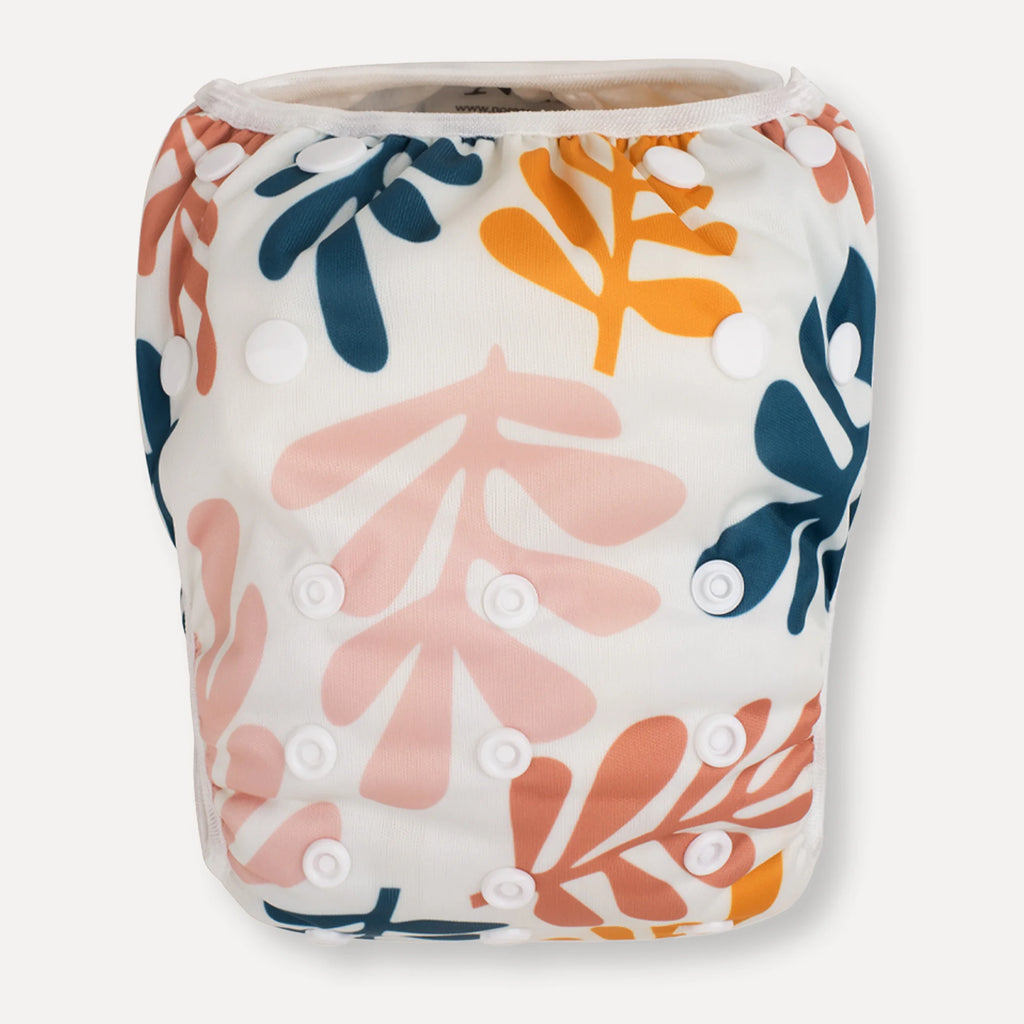
Our Diaper Covers or AWJ Pocket Diapers can double as reusable training pants when paired with a insert or liner. They’re trim, easy to pull up/down (or snap), and still give you peace of mind if accidents happen.
→ Great for at-home practice or nap-time protection.
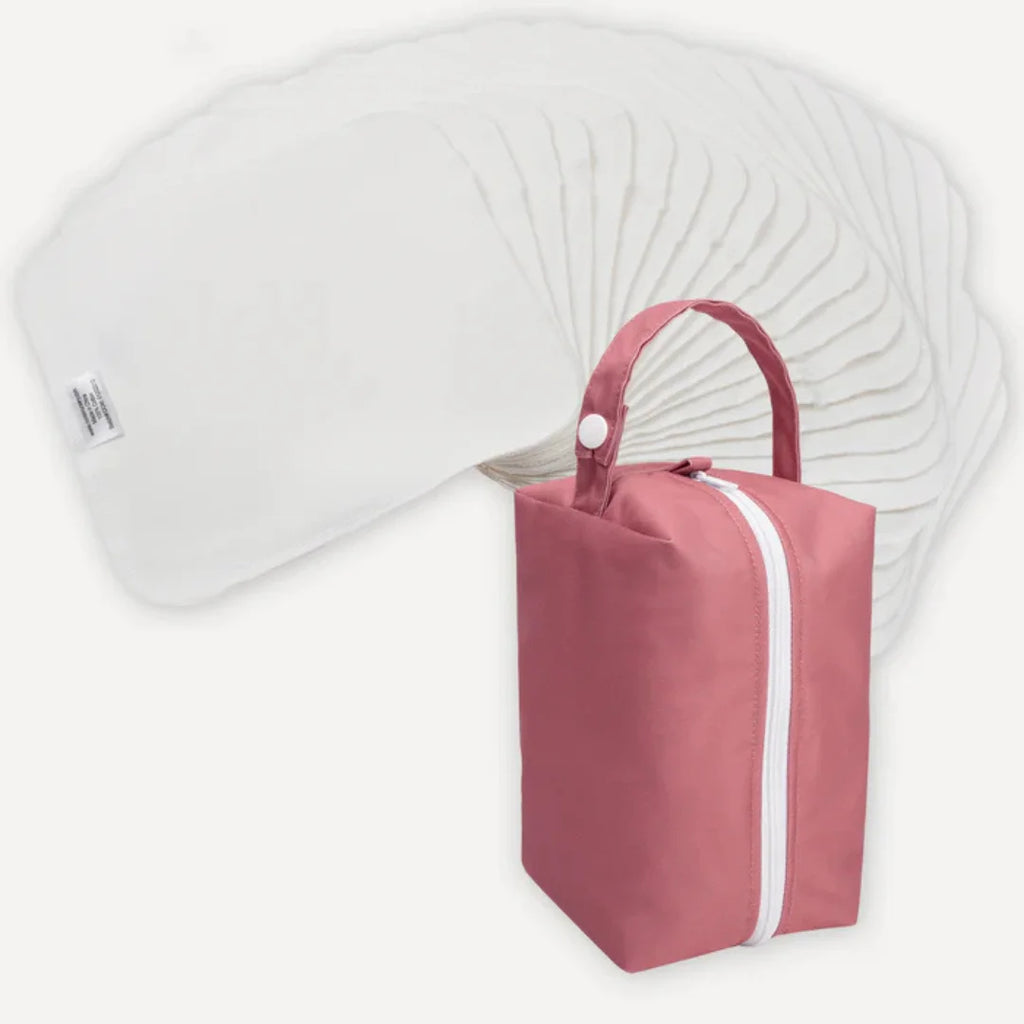
4. Reusable Cotton Wipes
Just because you're ditching diapers doesn't mean the messes stop. Our soft cloth wipes are perfect for wiping little bums, cleaning up potty spills, or even sticky hands.
See more about the benefits of choosing natural reusable cloth baby wipes for your little one, why they are the best option for sensitive skin, how you can make your own homemade wipes solution and where to store them.
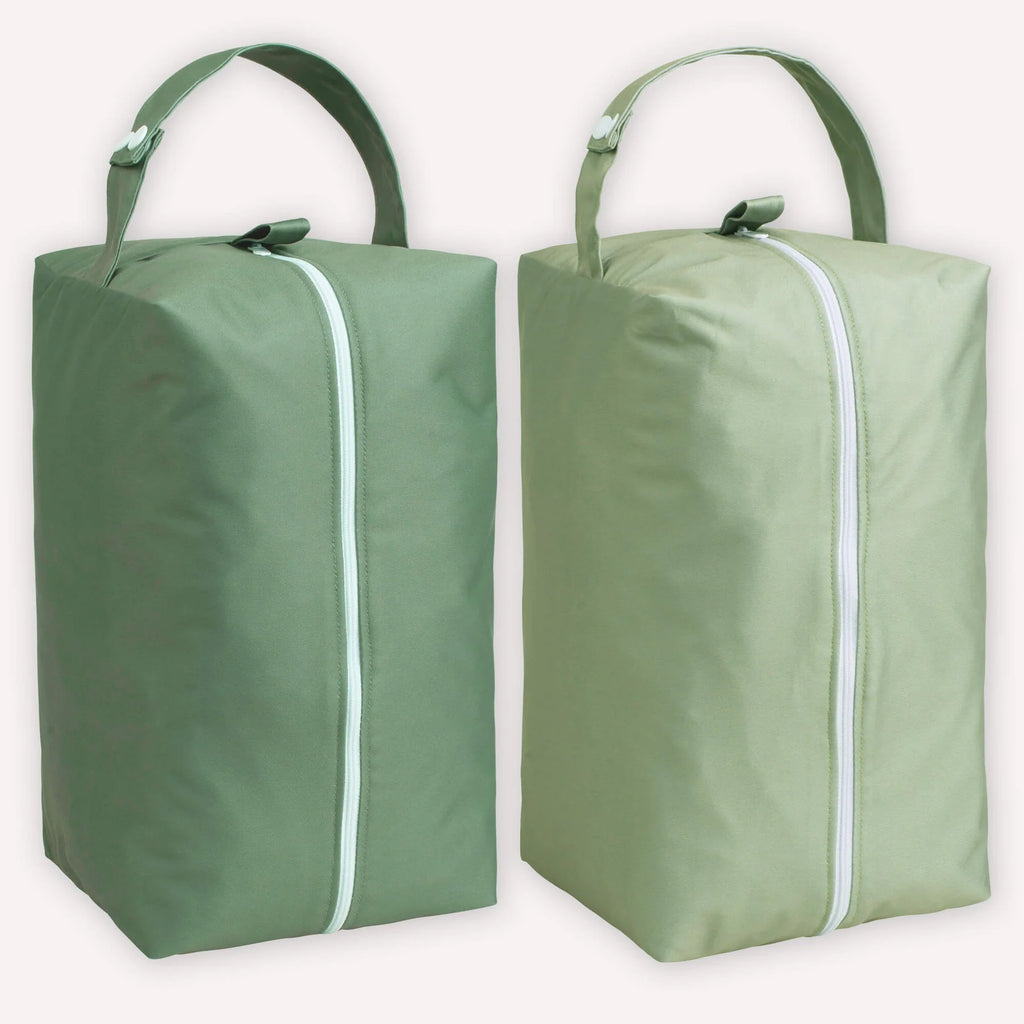
5. Travel Pod / Diaper Pod
With one large zipper opening, our Waterproof Diaper Pods have enough space to hold up to 7-8 pocket diapers or cover diapers with inserts. Handle comes with a detachable snap to be able to attach the pod as needed.
→Keep everything organized and compact for daycare, grandparents’ houses, or on-the-go potty practice.
→ Use it to store underwear, extra outfits, or mini potty essentials.
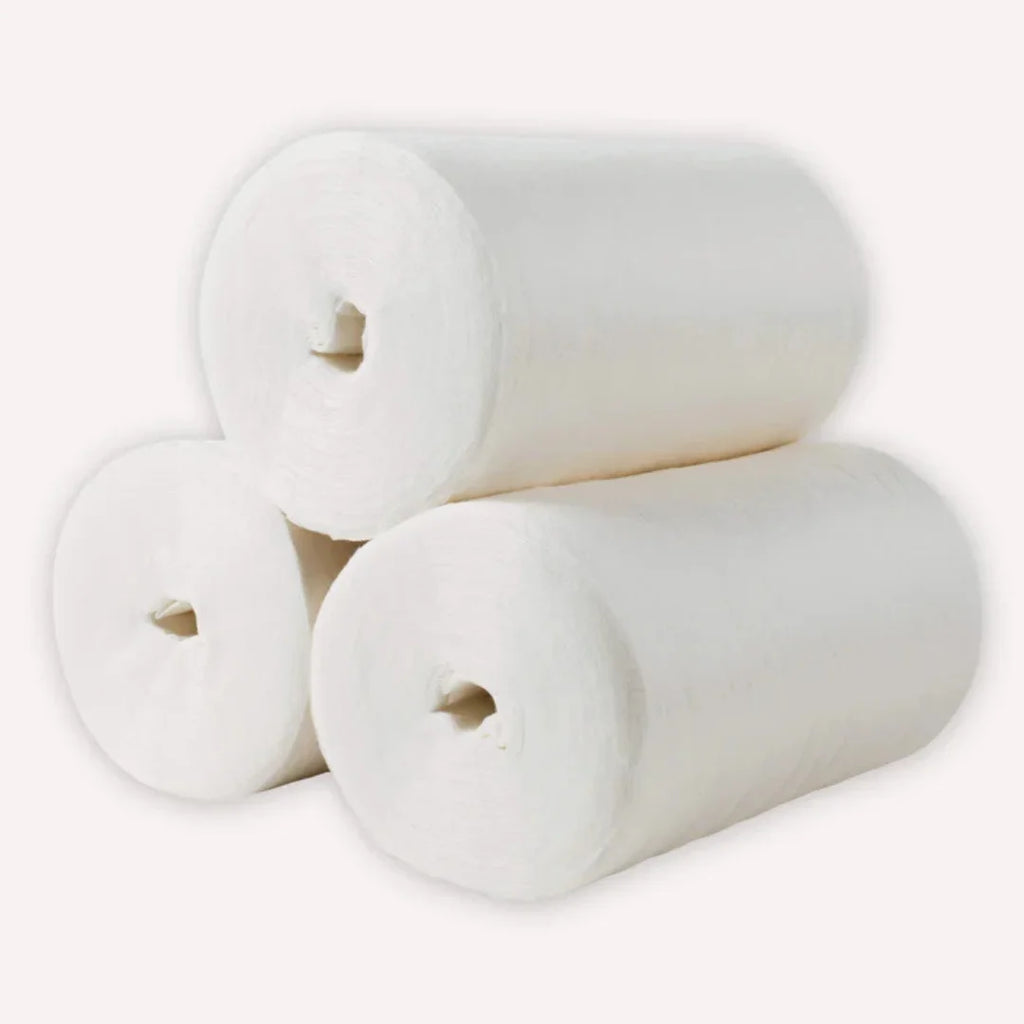
6. Disposable Cloth Liners (Optional)
If you’re in the transition phase but still using inserts or covers, cloth liners can help with easy cleanup and a dry-feel surface — especially helpful for sensitive toddlers.
We are about to change potty training for good!
Potty training isn’t just about the potty — it’s about progress, patience! Head to our website and sign up for early product releases, VIP alerts, and insider updates as we roll out our brand-new collection. Don’t miss the drop—be first, be early, be in the know!
Shop Our Mattress Protectors on AMAZON.COM

Stay Tuned for blog 3 "What Happens When Potty Training Doesn’t Go as Planned". We’ll help parents navigate the emotional rollercoaster of accidents, regressions, and toddler resistance. Stay Tuned!


