




When choosing between cloth and disposable diapers, one key difference is how they absorb liquid and how often they need to be changed. Disposable diapers contain high-tech materials that can lock away moisture, whereas cloth diapers rely on absorbent fabrics. This means your baby may feel dry longer in a disposable, where as a cloth diaper may need more frequent changes to prevent leaks. In this blog, we’ll take a scientific look (but in simple terms) at disposables diapers compared to cloth diapers, and how they are different when it comes to their change frequency, wetness, and saturation.

What Really Makes Disposable Diapers So Absorbent?
Modern disposable diapers are designed to keep your baby dry. The core of a disposable diaper contains chemicals that can absorb hundreds of times their weight in liquid . When a baby pees, the liquid is quickly absorbed by a paper-like fluff and then locked into these gel beads. This technology is what allows some disposable diaper companies to advertise “up to 12 hours of dryness.” In fact, today’s disposables are so effective at trapping moisture that babies’ skin stays drier... for even longer.

How Disposables Absorb Liquid
Moisture-wicking layers: Disposable diapers have a top sheet that draws urine away from the skin into the absorbent core . Baby’s skin feels drier because the wetness is pulled below this top layer.
Super absorbent gel core: The urine is then absorbed in the core of the diaper. These gel beads can swell many times over, locking in liquid. It is known that these gel beads can hold 200–300 times its weight in water which is why a disposable can feel surprisingly dry to the touch even when it’s very full. (A single disposable diaper can hold multiple pee episodes before feeling wet).
Leak guards and design: Disposables often have elastic cuffs and leak-guard barriers to prevent spills, plus they fit snugly. They don’t feel heavy or saturated until they are near capacity, because the liquid is distributed inside the core. Some even have wetness indicator lines to show parents when it's wet.
Babies in disposable diapers may not notice immediately when they’ve peed, because the diaper keeps their skin dry. Parents also might not notice right away – the diaper doesn’t feel wet outside, it just gets heavier as the core swells . This can make it tempting to leave a disposable on longer.
Many parents report that with disposables, they change diapers slightly less often than with cloth, since the diaper can 'hold more' and still keep the baby comfortable. However, it’s important to note that even though a disposable can hold a lot, leaving any diaper on too long isn’t ideal.
Overextended use of a “12-hour” diaper can lead to skin irritation because disposable diapers are not very breathable – minimal airflow can contribute to rashes or fungal growth if the diaper isn’t changed regularly.
Some Paediatricians still recommend checking newborn diapers every 2-3 hours (yes, even disposables!) and changing whenever wet or soiled, to maintain healthy skin . The big advantage of disposables is that if you occasionally need to stretch time between changes (for example, during a long nap or overnight), the diaper’s absorbency has you covered.
How Cloth Diapers Absorb Liquid
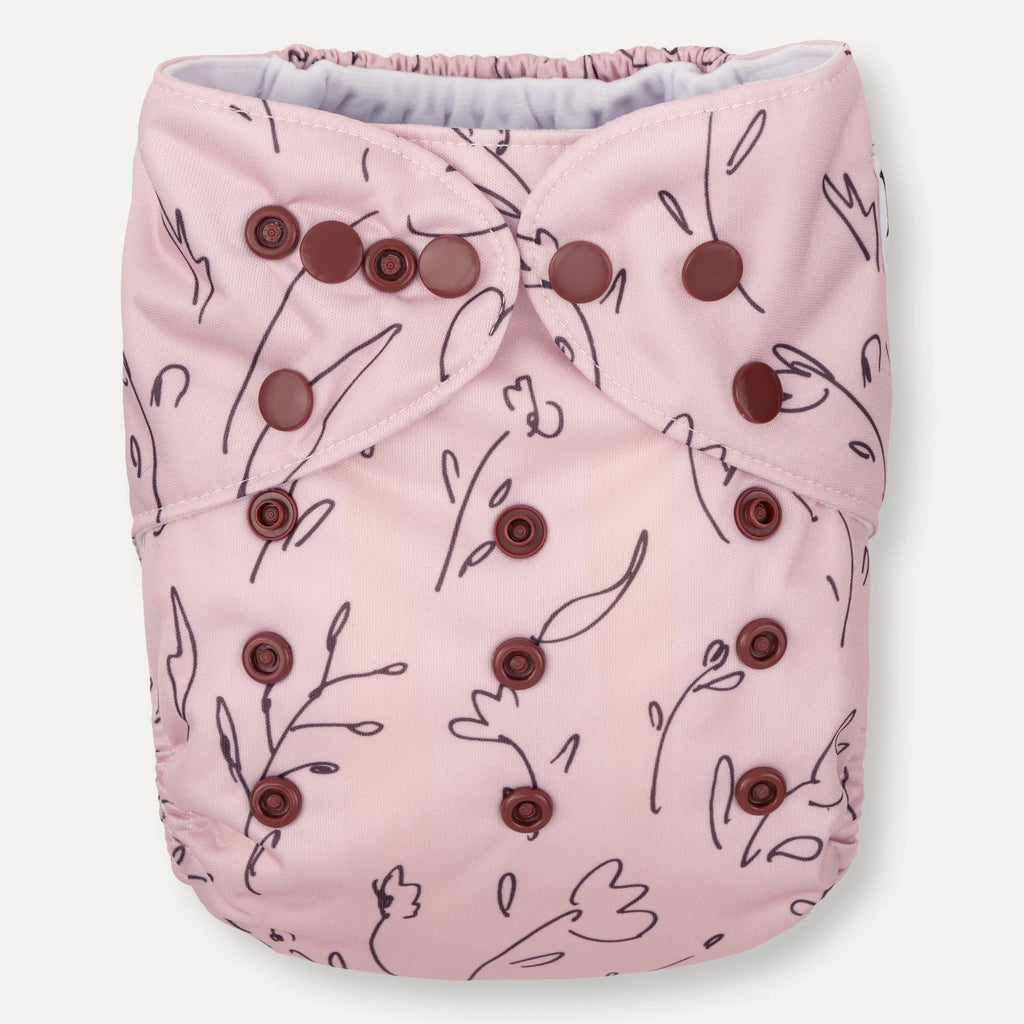
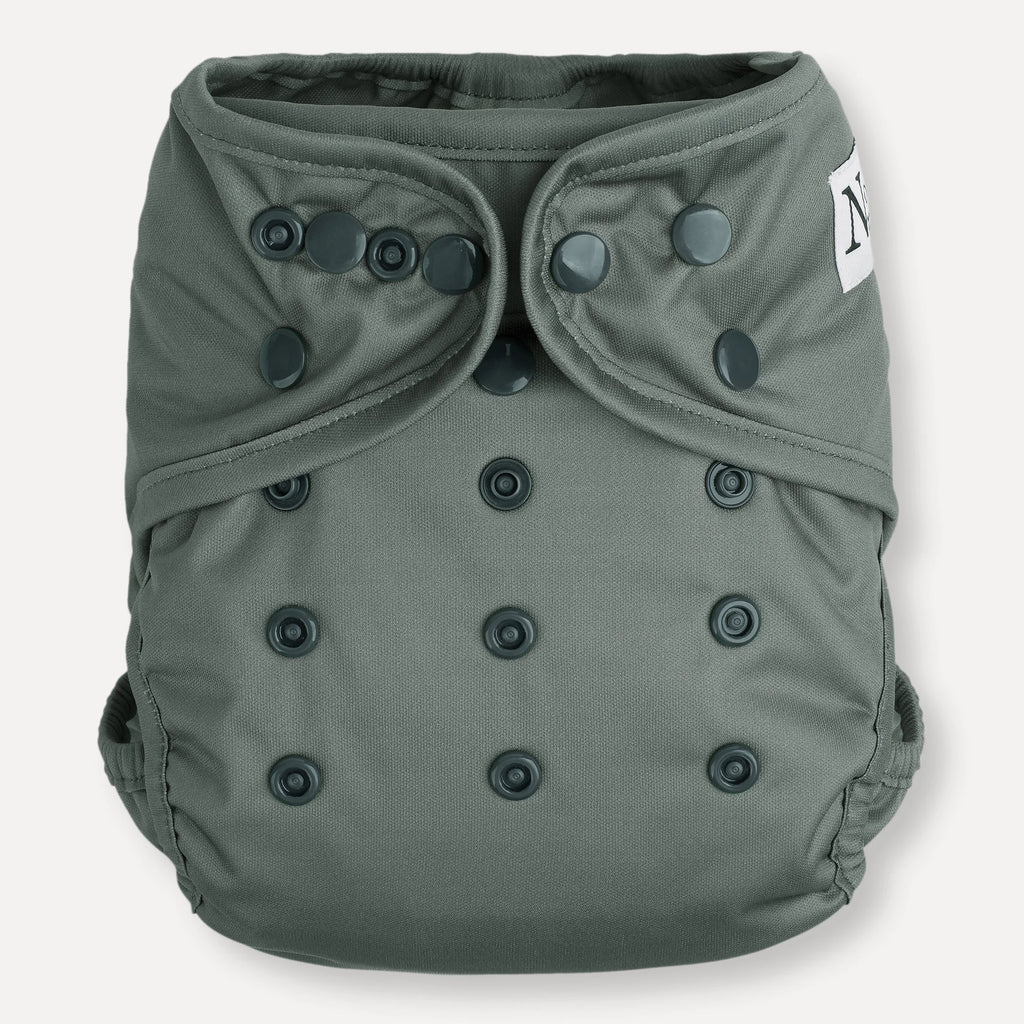
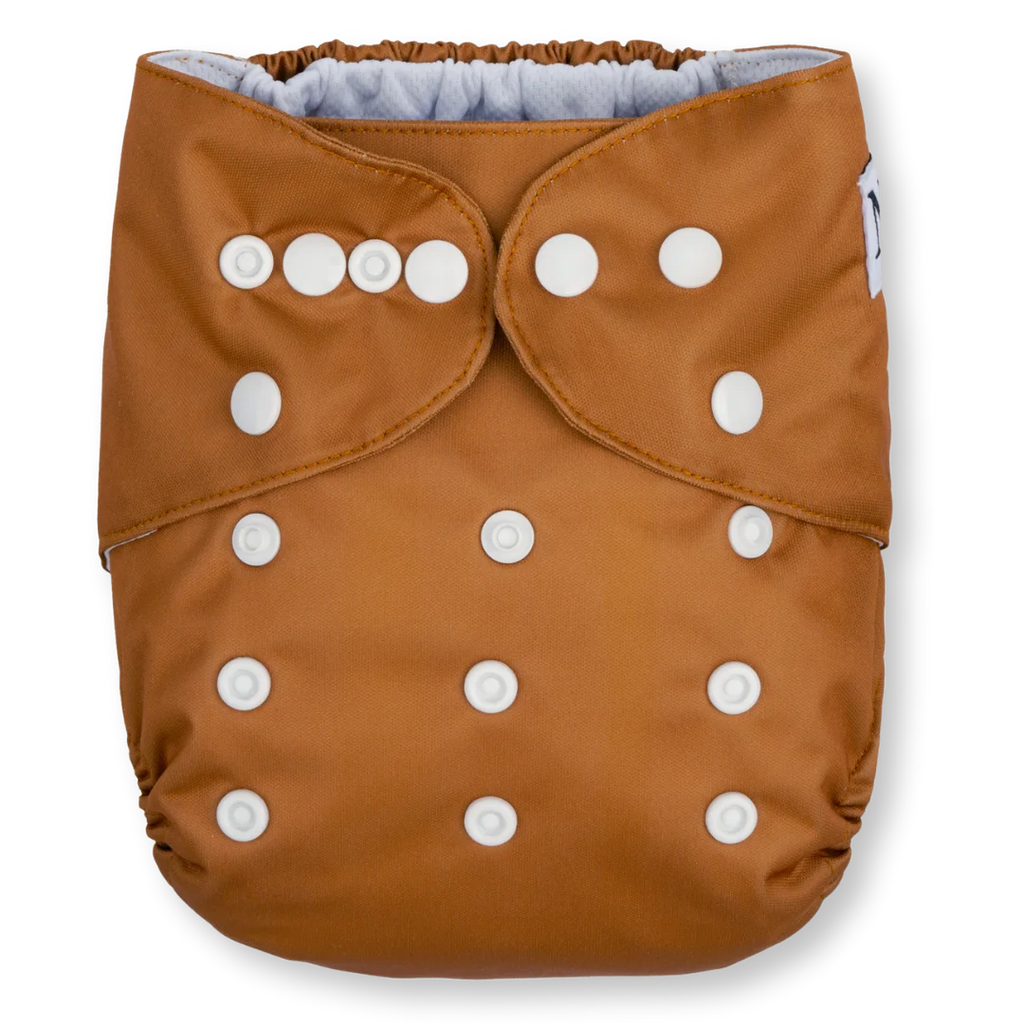
Cloth diapers work on a simpler principle: layers of fabric absorb and hold urine. They don’t have magic gel crystals; instead, they use materials like cotton, bamboo, hemp, or microfibre to soak up moisture. Some cloth diaper systems include an inner stay-dry layer (Checkout our original Micro-fleece Pocket Diapers) that wicks moisture away from the baby’s skin, but the wetness still remains in the fabric beneath until you change the diaper.
Key points about cloth diaper absorbency
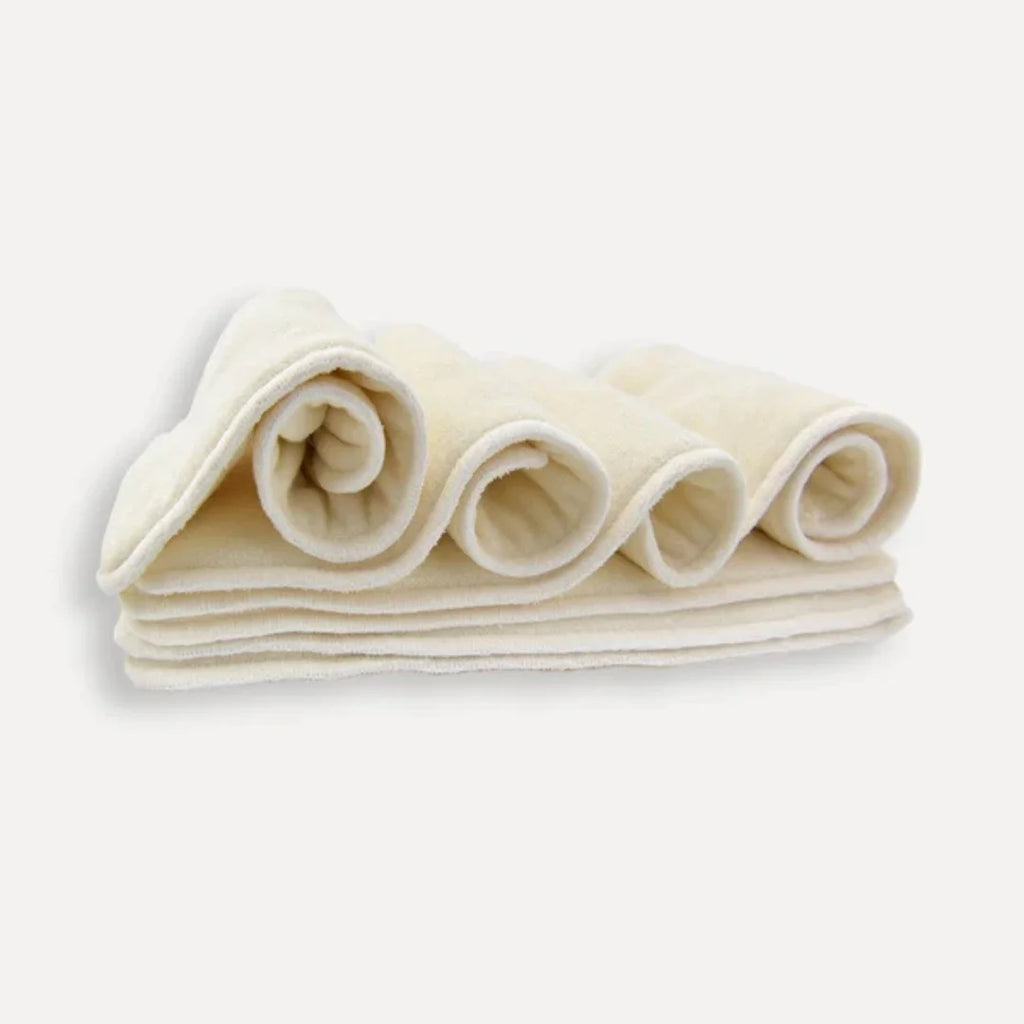
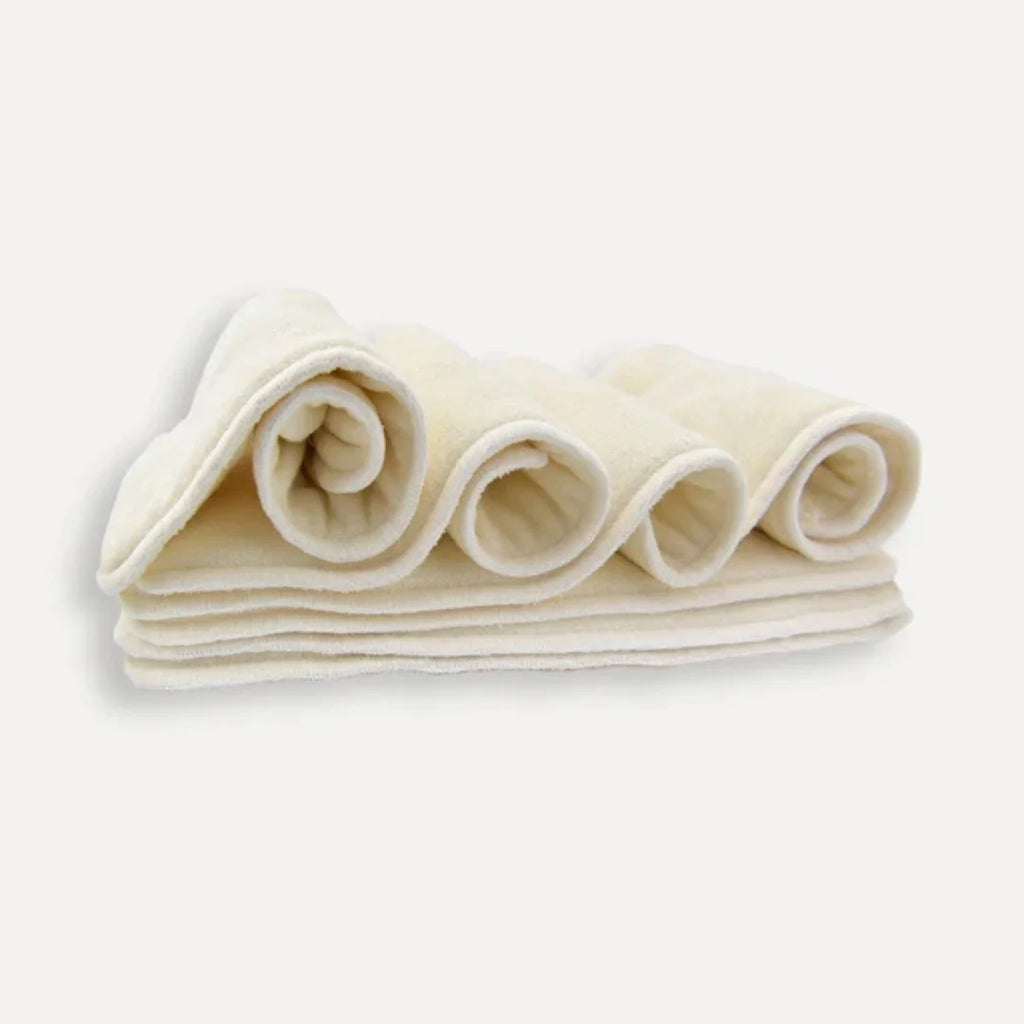
Natural fibres like Cotton, Hemp and Charcoal absorb liquid but can only hold so much before they’re saturated. See all the different Inserts types we offer.
Cloth diapers are less absorbent than disposables in terms of total liquid volume they can hold. A Cloth insert might hold a few ounces of liquid comfortably, whereas a disposable can often hold more without leaking. This is why parents switching from disposables to cloth notice they must change diapers more frequently to avoid leaks.
See our Cloth Diaper Insert Absorbency Chart to learn more
No gels to lock it away: In a cloth diaper, the urine is absorbed into the fabric layers and stays there. The diaper will usually feel wet against the baby’s skin. Some paediatricians note that cloth diapers let babies feel “wet” when they pee, as opposed to disposables where they feel dry .
This wet sensation is a clear signal that it’s time for a change. Many cloth-diapering parents view this as a positive – the baby learns the feeling of wetness, which can help with potty training awareness later – but in the short term it does mean your little one might protest a wet diaper sooner.
Capacity and leaks: Because the absorbent material in cloth (even high-quality cotton or hemp) cannot match the volume that disposable diaper gel holds, a cloth diaper will reach its “full” point faster. Once the fabric is saturated, any additional pee will likely leak out.
As we always say, cloth diapers usually don’t leak until they’re fully saturated – at which point they must be changed or boosted with extra absorbency . If your baby is a “heavy wetter” (producing lots of urine) or goes a long stretch without a change, a cloth diaper can become drenched and start to leak from the leg openings or waistband. This is why you’ll often hear cloth diaper users talk about adding extra inserts or changing more often to prevent leaks.
In short, cloth diapers absorb more slowly and hold less liquid overall than disposables. That’s not a flaw; it’s just the nature of absorbent cloth. You can absolutely achieve good performance with cloth by using adequate layers and changing routinely. But if you try to make a single cloth diaper last as long as a disposable, you’ll likely run into leaks or an unhappy, uncomfortable wet baby.

How Often Should You Change a Cloth Diaper?
Cloth diapers need more frequent changes than disposables, generally. A common rule of thumb is to change baby every 2 to 3 hours during the day (or immediately if you know the diaper is very wet or soiled).
Newborns may need changes even more often (they can wet 10-12 diapers per day regardless of diaper type).
As the baby gets older and urinates less frequently, you might get closer to that 3-hour mark between cloth changes. But expecting a cloth diaper to last 4-6 hours like some disposables claim is usually unrealistic – unless you heavily boost it with extra inserts.
How Often Should You Change a Disposable Diaper?
For disposable diapers, the recommended change frequency can be a bit more relaxed in practice, but not by too much. Many sources (and even disposable manufacturers) still suggest changing a disposable roughly every 3-4 hours during the day or when it’s wet/soiled.
The difference is that, because disposables hide the wetness, parents might not notice a small urine event and might go longer until the diaper feels heavy or the wetness indicator shows full.
It’s not uncommon for a disposable-wearing baby to go 4 hours between changes if they only peed a little each time. Overnight, a high-capacity disposable can often last 10-12 hours (one diaper for the whole night) without leaks, which is why many parents use them for nighttime. In contrast, a cloth diaper usually requires a special nighttime setup (for example, a thick fitted cloth diaper plus extra inserts and a waterproof cover) to last all night, or some parents choose to do a middle-of-the-night cloth change.
Quick Comparison of Change-Frequency Guidelines:
Cloth Diaper vs. Disposable Diapers: Daytime
It is recommended to change cloth diapers every 2–3 hours on average . If the diaper is very wet before then, change sooner. Always change immediately after a poop (cloth doesn’t contain mess or odor as tightly as disposables, and feces against the skin can cause rash).
roughly every 3 hours, or when you can tell it’s wet/heavy. Newborns in disposables also go through 8-10+ diapers a day (because they pee and poop frequently) , but an older baby might use 6-8 disposables per day. Never leave a soiled (poop) diaper on, even if it’s a disposable – that should be changed right away in either case for hygiene.
Cloth Diaper vs. Disposable Diapers: Nighttime
Many babies sleep longer stretches at night. Disposables are formulated to handle one full night (up to 12 hours) of urine output , so parents often don’t wake a sleeping baby just to change a wet disposable diaper (unless the baby is very uncomfortable or prone to rash). Want tips, and tricks on using cloth diapers at night? See 'Using cloth diapers at night & avoiding leaks'
Cloth diapers, on the other hand, might not last as long without leaking or making baby wet. Parents using cloth at night either do a 1-2 times nighttime change or use a highly absorbent night diaper setup. As your baby grows, they may produce less urine at night and you can get away with one cloth diaper till morning – but achieving 10-12 hours in cloth usually requires extra layers and a bulletproof cover, or else a mid-night change.
It’s worth noting that some advocate that you should change disposables frequently too, not just when they’re ready to explode. You should still change regularly for baby’s skin health, since disposables aren’t very breathable . In practice, the big benefit of disposables is they give you a bit more leeway.
For example, if you’re on a long car ride or your baby is napping, a disposable is less likely to leak during that time; a cloth diaper in the same scenario might leak if not changed.

Why do cloth diapers need changing more often? It comes down to capacity and comfort:
Avoiding Saturation: As mentioned, a cloth diaper reaches full saturation faster. If you push past that, leaks are inevitable . Changing every couple of hours ensures the diaper never gets completely soaked. Think of it this way: a cloth diaper might handle, say, one or two moderate pees before it’s near its limit. Many disposable diapers can handle several pees over a longer period.
Baby’s comfort: In cloth, the baby will feel wetness sooner on their skin. Some babies don’t mind a damp cloth diaper, but many will squirm or fuss once they feel wet. This “feedback loop” actually encourages more frequent changing – which is a good thing! It keeps baby clean and minimizes the time urine sits against the skin, thereby possibly reducing diaper rash risk in cloth-users who change promptly .
Leak prevention: A routine of frequent changes is part of successful cloth diapering. Many cloth diaper families report that once they got into the habit of “change every 2 hours or when in doubt,” leaks became very rare. As one experienced parent put it, “Cloth diapers will never be as absorbent as a disposable... They definitely have a two-hour max, and you can go longer than that with disposables”. See more on how adding extra absorbency in your diapers can help your baby stay dryer, for longer.
This is a practical mindset shift when switching to cloth: you trade the ultra-absorbency of disposables for other benefits, and in return you commit to checking and changing a bit more often. It can actually become a nice routine of bonding and care rather than a hassle. Check Out 'How Many Cloth Diapers Do I Need'?
Tips to Boost Cloth Diaper Absorbency (and Minimize Leaks)
Use extra inserts or doublers: Adding an extra insert to your cloth diaper increases how much liquid it can hold . For heavy wetters or longer outings/overnight, this is essential. For example, you might pair a fast-absorbing microfibre insert with a hemp or bamboo insert behind it (since hemp holds a lot). Just be mindful not to overstuff to the point the diaper doesn’t fit snugly (gaps can cause leaks too). See Extra Inserts for Extra Absorbency For More Tips
Choose more absorbent materials: Not all cloth inserts are equal. Microfibre absorbs quickly but doesn’t hold the most; cotton is decent; bamboo and hemp have very high capacity but absorb more slowly. Experiment with combinations. Check Out The Different Types of Insert Materials we Offer.
Ensure proper fit: A well-fitted cloth diaper contains wetness better. Leaks can happen faster if the diaper is too loose (moisture can escape before the insert is fully used). Make sure the diaper cover or shell has good elastic seal around legs and waist . Sometimes what seems like an “absorbency” issue is actually a fit issue. Read Our Blog - Avoid Leaks, Get The Perfect Fit
Stay on schedule: Even with great inserts, try to stick to that 2-3 hour change routine. Set a timer if needed or change at natural intervals (e.g. upon waking from a nap, before a feeding, etc.). This prevents any surprise leaks. As you get to know your baby’s patterns, you’ll recognize if they are a “heavy wetter” who needs changes closer to 2 hours or if they can go a bit longer.
By applying these tips, many parents successfully cloth diaper even overnight or on long trips. For instance, using a dedicated nighttime cloth diaper can last full overnight stretches for some babies. It might be bulkier than a disposable, but it can do the job. So while cloth generally means more frequent changes, smart strategies can close the gap in absorbency performance when needed.
Why Frequent Changes Aren’t a Bad Thing...
It’s easy to see the convenience of disposables: less frequent changes can sound appealing for busy or tired parents. However, there are some silver linings to the cloth diaper routine of frequent changing:
Healthier skin: Every diaper change is an opportunity to clean and dry the baby’s skin. Babies in cloth are changed before urine has been sitting long, which can translate to less prolonged exposure to moisture and waste. One parenting resource even notes that more frequent changes with cloth can lead to fewer diaper rashes . Disposable or cloth, if a baby is changed promptly whenever they’re wet or dirty, their skin will thank you. Cloth just nudges you toward that practice a bit more.
Baby’s awareness: As mentioned, a child in cloth is more aware of the moment they’re wet. Over time, this awareness can be helpful for potty training. They connect the sensation of peeing with feeling wet, and later with the idea of using a potty. Some parents find that children in cloth diapers show interest in potty training earlier than those in super-dry disposables (there are even some reports, like one study referenced by a cloth company, that children in disposables tend to potty train later on average). While every child is different, this is a potential benefit of not having 12- hour ultra-dry diapers.
Bonding and routine: Changing a diaper isn’t just a chore; it’s also one-on-one time with your baby. When you’re changing 8-10 cloth diapers a day, you have 8-10 little chances to interact, talk, sing, or play with your baby on the changing table. Many cloth parents say it helped them become more attuned to their baby’s needs and schedule . It’s a moment of care that, while frequent, becomes routine and loving. (And remember – even with disposables, newborns still need about 8+ changes a day in the beginning, so either way you’ll be busy!)
Meanwhile, it’s worth acknowledging that disposables’ ability to hold a lot can be a lifesaver in certain scenarios. There’s nothing “wrong” with using a disposable at night or on a long outing if you’re worried about cloth leaks – many hybrid cloth families do this . The ultimate goal is a dry, happy baby and a sane parent.
Cloth and disposable diapers simply take different levels attentiveness when it comes to absorbency, and change frequency for your baby.
Disposable Diapers
- Use chemical technology to maximize absorbency, allowing less frequent changes with the trade-off of more waste and potential exposure to certain chemicals.
- They keep babies feeling dry longer, which is convenient but can mask the need for a change.
Cloth Diapers
- Use absorbent fabrics and require a bit more vigilance, meaning more frequent changes and creative layering for heavy wetters.
- More “hands-on” approach to diapering – you’ll be monitoring wetness and changing routinely
- Offer benefits like reusability, less exposure to unknown chemicals, and encouraging good changing habits.
Choosing cloth vs. disposable isn’t an all-or-nothing decision for your family, and understanding why disposables can go longer between changes and why cloth requires a tighter changing schedule will help you use each diaper to its strengths! See How Many Cloth Diapers Do I Need?
Cloth diapering can be a rewarding, and exciting journey, but deciding, and choosing the right products for your baby and lifestyle can feel overwhelming at first. Want to try before you buy? Nora's Nursery now offers Cloth Diaper, and Insert Trial Kits—designed to simplify your decision-making and help you find the perfect fit for your family! Check out all of our Trial Kit options!
Transitioning From Disposable to Cloth? Find Your Baby's Perfect Cloth Size!
For new parents or those new to cloth, the key takeaway is: adjust your expectations on change frequency. If you’re switching from disposables to cloth, don’t be discouraged by more frequent diaper changes or the occasional leak. Once you get into the rhythm, cloth diapering can be just as manageable, and we are here to help you every step of the way!
See More Helpful Resources:
How Many Cloth Diapers Do I Need?
How Do I Know My Child is Ready to Potty Train? The Ultimate Guide For Parents


