




Tackling Stink: Stripping & Restoring Your Cloth Diapers
If you have searched “How do I strip my cloth diapers?” you are probably dealing with stubborn leaks, lingering odors, or diapers that are no longer absorbing the way they used to.
The good news is that most cloth diapers can be restored. Even better, many diapers do not need to be stripped at all.
Stripping is intended to remove stubborn mineral or product buildup from absorbent materials. It is not a routine washing step, and it will not solve every odor or leak. Before beginning, it is important to identify what is causing the problem.
This guide will help you:
- Identify ammonia and barnyard odors
- Troubleshoot the most common causes of leaks
- Decide whether stripping is necessary
- Strip and restore your inserts safely
- Prevent buildup from returning
In This Guide
- Warning Sign #1: Persistent Odors
- Warning Sign #2: Leaks and Reduced Absorbency
- Do You Actually Need to Strip?
- How to Strip Cloth Diapers
- When Sanitizing May Be Necessary
- Frequently Asked Questions
Warning Sign #1: Persistent Odors
What type of odor do you have? Understanding Ammonia vs. Barnyard
Ammonia
- What it smells like
- Why it happens
- Common causes
- How to fix it
Barnyard Odor
- What it smells like
- Why it happens
- Common causes
- How to fix it
Other Factors That Can Contribute to Odors
- Hard water
- Detergent
- Absorbency
Smell #1: Ammonia Smell
Ammonia has a sharp, eye-watering smell that's often compared to strong household cleaners. One of the biggest clues is that your diapers smell clean after washing, but develop a powerful odor as soon as your baby urinates.
This happens because urine naturally contains urea. When diapers aren't cleaned thoroughly or sit too long before washing, the urea begins breaking down into ammonia. Over time, ammonia can become trapped in the absorbent fibers, causing odors each time the diaper gets wet.
If left untreated, ammonia buildup may contribute to skin irritation, diaper rash, and reduced diaper performance. Fortunately, it develops gradually, which means it's usually preventable once you identify the cause.
Common causes of ammonia buildup include:
- Waiting longer than 2 to 3 days between washes
- Using too much or too little detergent
- Hard water reducing your detergent's cleaning power
- Concentrated overnight urine
- An ineffective wash routine
If your diapers have developed a strong ammonia smell, start by evaluating your wash routine. In more severe cases, a strip followed by a bleach sanitization may be needed to fully restore your diapers.
Before stripping, however, make sure the problem isn't being caused by your wash routine, water hardness, or detergent, as these issues can quickly cause ammonia to return.
Read: Washing 101: Getting Started with Cloth Diapers
How to Fix Ammonia Odor. If you've confirmed ammonia is the issue, a deep clean is often enough. For more severe buildup, stripping the diapers followed by a bleach sanitization may be necessary to completely reset them. Not sure? Email our customer care team!
Keep in mind that stripping should be an occasional corrective measure, not part of your regular routine.
Not every odor means it's time to strip. Keep reading to learn when and why stripping may actually necessary.

Smell #2: Barnyard Smell!
Barnyard odor is very different from ammonia. Instead of a sharp, chemical smell, parents often describe it as musty, sour, fishy, or similar to wet farm animals or dirty towels.
Unlike ammonia, barnyard odor is usually strongest when diapers are warm, such as straight out of the dryer or after a warm wash cycle. In more severe cases, the smell may linger even after the diapers have been washed and stored.
This type of odor is typically a sign that urine, bacteria, or soil is not being completely removed during washing. Even though the diapers look clean, small amounts of residue can remain trapped in the absorbent fibers and cause odors over time.
The good news is that barnyard odor is usually solved by improving your wash routine rather than replacing your diapers.
What Causes Barnyard Smell? The most common reasons include:
-
- Not using enough detergent
- Using a detergent that isn't strong enough for cloth diapers
- Wash cycles that are too short
- Overloading the washer
- Poor agitation
- Hard water reducing detergent performance
The good news? Most families solve this by improving their wash routine rather than replacing their diapers. If you've adjusted your wash routine and odors persist, it's time to look at a few other factors that can affect how well your diapers are getting clean.
Other Factors That Can Contribute to Odors
- Hard Water
- Detergent
- Absorbency
Not sure if your detergent is the problem? Choosing the right detergent can make a huge difference in preventing odors and buildup. Read: The Best Detergents for Cloth Diapers
Could Hard Water Be the Real Problem?

Many parents don't realize they have hard water until they start cloth diapering.Hard water contains minerals like calcium and magnesium that slowly build up inside your inserts. Over time, detergent becomes less effective, leaving behind soil, bacteria, and odors.
Hard water can also contribute to:
- Leaks
- Repelling
- Reduced absorbency
- Persistent smells
If you've improved your wash routine but still notice lingering odors, poor absorbency, or repelling, hard water could be contributing to the problem. Testing your water hardness is a simple first step toward building a wash routine that works for your home.
Learn how to test your water. Hard water is one of the biggest hidden causes of cloth diaper problems. Read: Hard Water & Cloth Diapers
Is Your Detergent Strong Enough?
Not all detergents clean cloth diapers equally well.
Many "natural" or free and clear detergents work beautifully for everyday laundry, but some formulas don't contain enough cleaning power to completely remove urine, stool, and bacteria from cloth diapers.
A cloth diaper-safe detergent should:
- Clean thoroughly
- Rinse cleanly
- Avoid fabric softeners or conditioning agents
Free and clear formulas can be an excellent choice, but "free and clear" doesn't automatically mean they're effective for cloth diapers. The overall cleaning performance is what matters most.
Compare cloth diaper-safe detergents: Check out 'Fluff Love University's: Detergent Index' to see how your detergent ranks!
We've rounded up our favorite detergents along with tips for choosing the right one for your family. Read: The Best Detergents for Cloth Diapers

Could the Problem Be Absorbency?
Sometimes what seems like an odor problem is actually an absorbency problem.
As babies grow, begin eating solids, or sleep for longer stretches, they naturally produce more urine. If inserts become saturated quickly, moisture remains in the diaper longer, creating an environment where stronger odors can develop.
For heavy wetters, adding absorbency is often all that's needed.
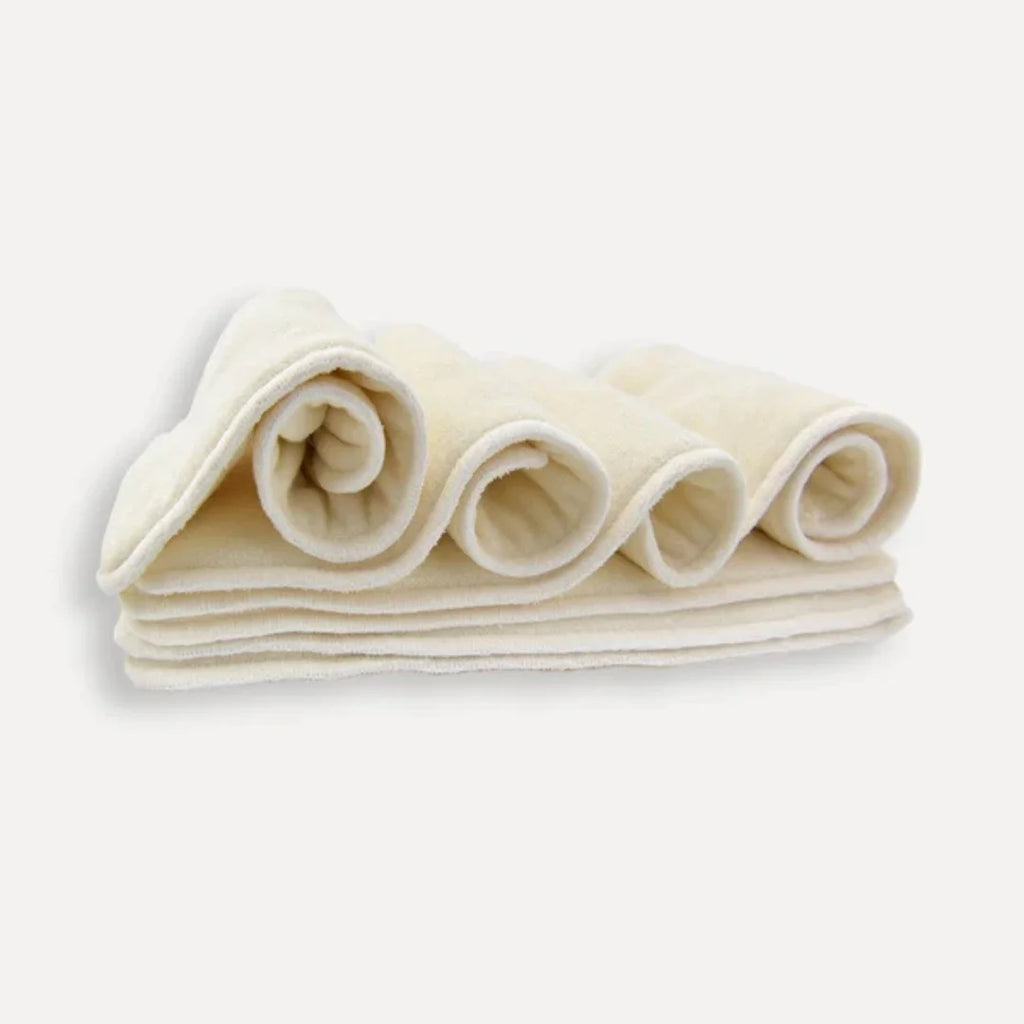
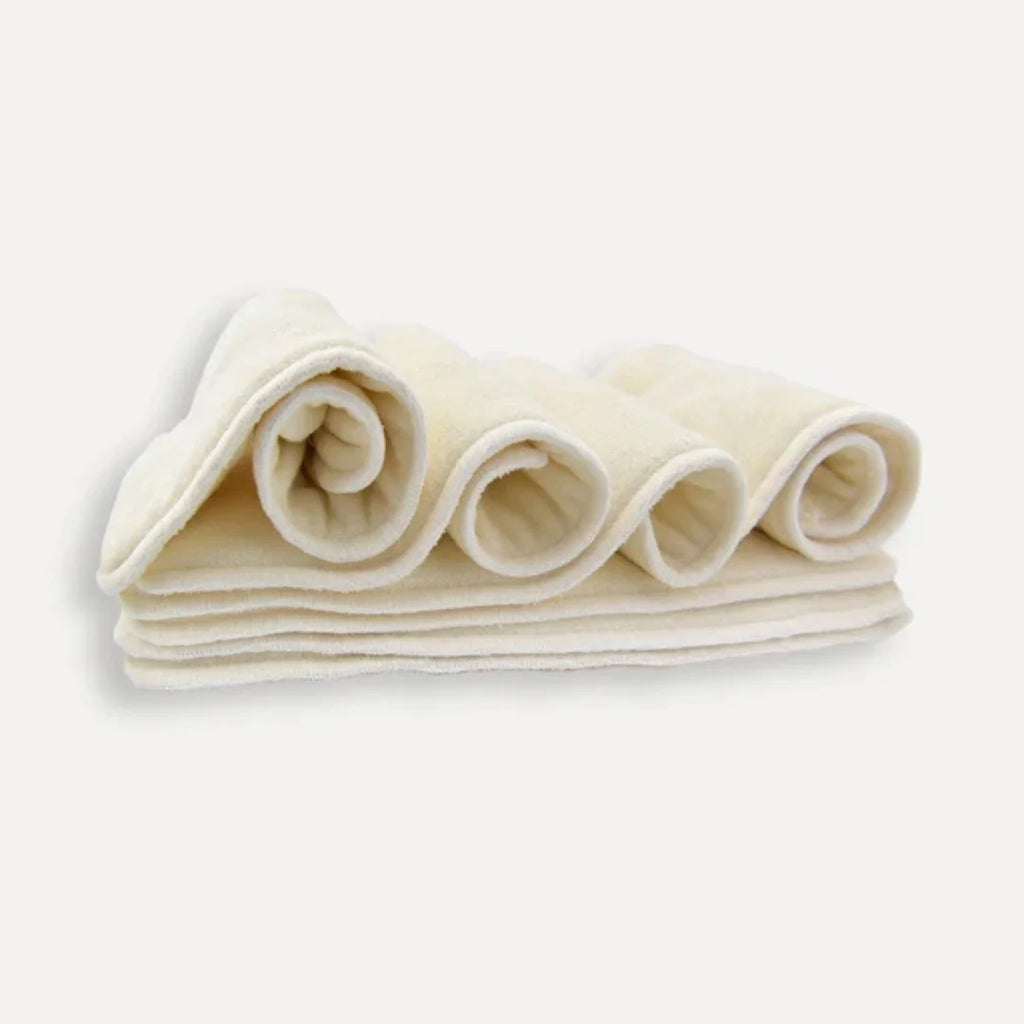
- Hemp Prefolds for maximum absorbency
- Charcoal Inserts for overnight use
- Layering inserts for customized protection
Upgrade your absorbency
The right insert can make a world of difference. Shop: Hemp Prefolds, Charcoal Inserts & Insert Trial Kits

How to Prevent Odors Before They Start
The best way to avoid stubborn odors is by staying consistent with your wash routine. Here are a few habits that make a big difference:
- Wash every 2 to 3 days.
- Use enough detergent for your load size.
- Make sure your washer has good agitation.
- Address hard water if needed.
- Rinse overnight diapers if they won't be washed right away.
Build your perfect wash routine.If you're just getting started or want to refresh your routine, our complete guide walks you through every step.
Read: Washing 101: Getting Started with Cloth Diapers
Still Need Help?
Every washing machine, water supply, and baby is a little different, and we're here to help. Our Customer Care team can help you troubleshoot your wash routine and recommend the best next steps based on your unique setup.
Contact Our Customer Care Team
Most odor issues can be resolved with a few adjustments to your wash routine, detergent, or absorbency. But odors aren't the only sign your diapers may need attention.
Another common warning sign is leaking.
Let's look at why cloth diapers leak, how to identify the cause, and what you can do to restore their performance before assuming they need to be stripped.
Warning Sign 2: Leaks
One of the biggest misconceptions about cloth diapers is that if they're leaking, they must not work.
The truth? Leaks almost always have a cause, and most of them are surprisingly easy to fix.
Whether you're new to cloth diapering or you've been using reusable diapers for months, leaks can happen. Your baby grows, their bathroom habits change, wash routines evolve, and inserts naturally wear over time.
The good news is that you usually don't need to replace your entire stash! Let's walk through the 7 most common reasons cloth diapers leak and how to get them performing like new again.
-
New Inserts Need To Be Prepped

If your diapers are brand new and leaking almost immediately, the inserts may simply need more prep.
Natural fibers like bamboo, hemp, and cotton contain natural oils from manufacturing that reduce absorbency when they're first made. Washing removes those oils and opens the fibers so they can absorb moisture properly.
Most natural-fiber inserts need a minimum of 3 to 4 complete wash and dry cycles before reaching full absorbency. Hemp inserts often continue becoming more absorbent after several additional washes.
This is one of the most common reasons parents experience leaks with brand-new diapers.
Signs your inserts need more prep
- Your diapers are brand new.
- Leaks happen quickly.
- Inserts don't feel fully saturated.
- The diapers fit well.
Fortunately, this one has a simple solution. Keep washing your inserts before use, and you'll notice absorbency improve with each cycle.

New to cloth diapering? Our complete Washing 101 Guide walks you through prepping, washing, and caring for your diapers from day one.
2. Your Baby Needs More Absorbency
Babies don't stay tiny for long. This is actually one of the most common reasons parents experience leaks after months of success. As they grow, start solids, and begin sleeping for longer stretches, they naturally produce more urine. What worked perfectly for a two-month-old may not provide enough absorbency for a ten-month-old.
Many parents assume their diapers have stopped working when, in reality, their baby simply needs more absorbency.
Signs you need more absorbency
- Inserts are completely soaked.
- Leaks happen after several hours.
- Overnight leaks become common.
- Your diapers worked well for months before the leaks started.
Instead of replacing your diapers, try increasing absorbency by adding another insert or switching to a more absorbent material.
For daytime use, many families love bamboo inserts. For heavy wetters or overnight diapering, hemp prefolds or charcoal inserts can provide extra protection without replacing your entire stash. Read 'Using cloth diapers at night & avoiding leaks'
Looking for extra absorbency? Read our Insert absorbency chart!
Which Insert Is Right for You?
Every baby wets differently, which is why there isn't one perfect insert for every family.
| Insert Type | Best For |
|---|---|
| Bamboo | Everyday absorbency with a soft feel |
| Cotton | Quick absorption and trim daytime fit |
| Charcoal Bamboo | Heavy wetters and longer wear |
| Hemp Prefolds | Overnight protection and maximum absorbency |
If you're not sure which option is best, our Insert and Prefold Trial Kits let you compare different materials and find the perfect fit for your baby's needs.

3. Check The Fit
Even the most absorbent diaper can leak if it doesn't fit correctly. Cloth diapers should fit snugly around your baby's legs and waist without leaving gaps. The insert should also lay flat inside the pocket and extend from front to back so moisture is absorbed where your baby needs it most.
Leaks around the legs often point to a fit issue, while leaks at the front may simply mean your baby needs more absorbency where they wet most.
If you're seeing leaks but the insert isn't saturated, it's worth taking another look at the fit before assuming the diaper itself is the problem.
Check Your Diaper Fit
- The leg elastics sit comfortably in the bikini line.
- There are no gaps around the thighs.
- The rise snaps are adjusted appropriately for your baby's size.
- The insert reaches the front and back of the pocket without bunching.
Need help getting the perfect fit? Read our guide on Avoid Leaks: Get the Perfect Fit for tips and diagrams that can help you fine-tune your diaper's fit.
4. Review Your Wash Routine
One of the most overlooked causes of leaks isn't the diaper itself. It's the wash routine. Over time, detergent residue, minerals from hard water, or improper washing can prevent inserts from absorbing moisture efficiently.
Instead of soaking into the insert, liquid may bead up, roll off, or travel around the insert, eventually escaping through the leg openings or seams.
Signs your wash routine needs attention
- Inserts don't feel fully saturated when leaks happen.
- Water seems to sit on top of the insert before soaking in.
- Your diapers have developed lingering odors.
- They worked well for months before suddenly leaking.
Fortunately, most wash routine issues are easy to correct once you identify the cause.
Not sure where to start? Read our Washing 101 Guide for a step-by-step routine, or explore our article on The Best Detergents for Cloth Diapers to make sure you're using a detergent that cleans effectively without leaving residue behind.
5. Consider Hard Water
If you've perfected your wash routine but leaks continue, your water itself could be the culprit. Hard water contains naturally occurring minerals like calcium and magnesium. While these minerals aren't harmful, they can build up inside your diaper inserts over time.
As buildup increases, detergent becomes less effective and your inserts may begin repelling moisture instead of absorbing it.
Common signs of hard water buildup
- Inserts repel liquid.
- Leaks begin suddenly after months of success.
- Lingering odors develop.
- Your diapers feel stiff after washing.
If you suspect hard water, testing your water hardness is a great first step.
Think hard water might be the problem? Learn how to curate the best wash routine for your hard water, and adjust your wash routine if needed in our Tips For Washing Cloth Diapers In Hard Water guide.

6. Diaper Creams or Fabric Softeners Are Creating a Barrier
Some diaper creams, fabric softeners, and laundry additives can leave a coating on absorbent fibers that prevents moisture from soaking in. Instead of absorbing quickly, liquid rolls off the insert and finds the easiest path out of the diaper.
If you've recently changed detergents or started using a new diaper cream, it's worth checking the ingredients.
Whenever possible, choose cloth diaper-friendly creams or use a disposable liner to protect your inserts.
Not sure which creams are cloth safe? Read our guide to Diaper Creams & Cloth Diapers.
7. Are Your Inserts Wearing Out? When It May Be Time To Replace
Like anything that's washed and used repeatedly, cloth diaper inserts don't last forever. Our cloth diapers are designed to last 2-4 years with proper care.
After years of regular use, absorbent fibers can gradually lose some of their ability to hold moisture. This is especially true if the inserts have been used for multiple children or have been washed hundreds of times.
If you've ruled out fit, wash routine, and hard water, it may simply be time to refresh your absorbency. The good news is that you don't need to replace your diapers. Simply replacing or supplementing your inserts is often enough to restore excellent performance.
Refresh your stash!
Explore our Bundles Check Out Our Bundle Kit Collections, and save!
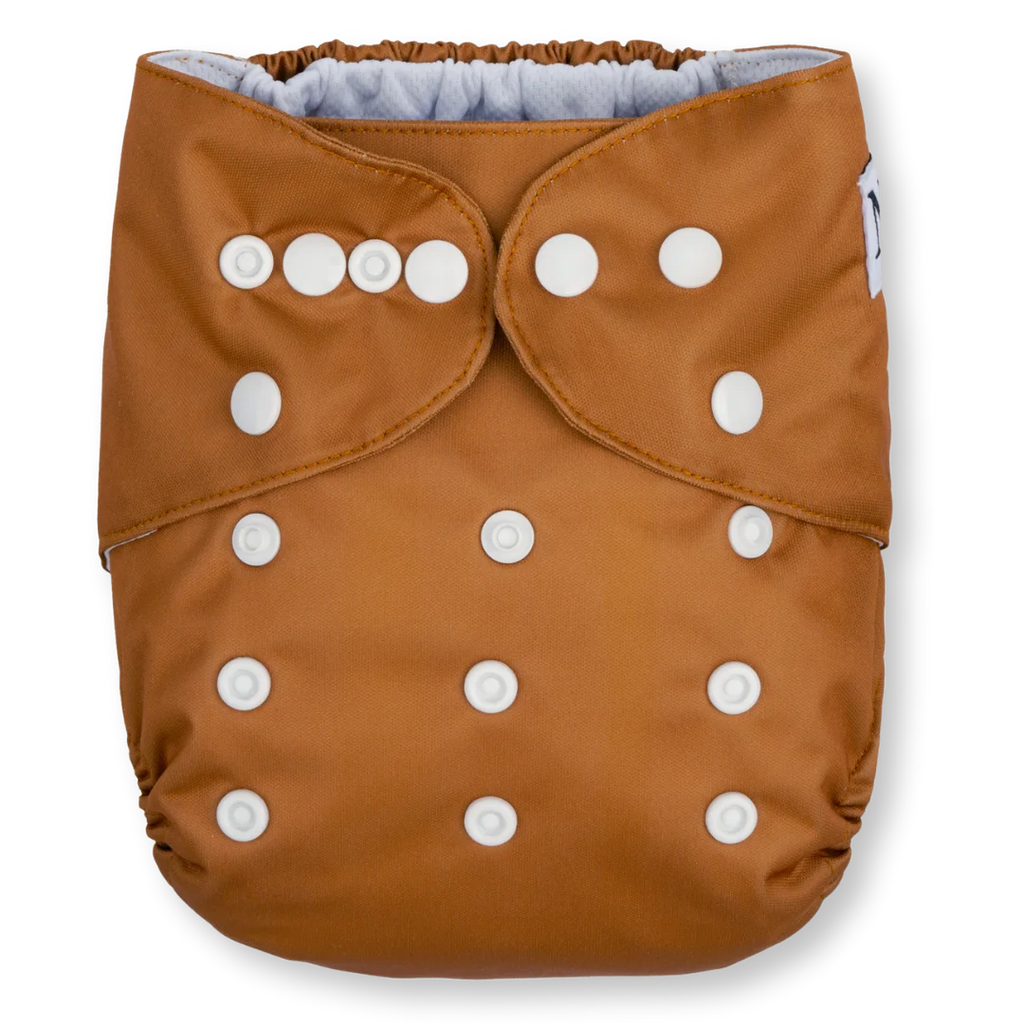
Build Your Own Pack! Mix and Match OG Microfleece Pockets, Cover Diapers, and AWJ Pockets, and save up t0 40%!
Read: Pockets vs. Covers: A Comparison

Still Experiencing Leaks?
Most leaks are caused by absorbency, fit, or wash routine issues and can be solved without stripping your diapers. However, if you've worked through these common causes and are still experiencing leaks or persistent odors, buildup may be the culprit.
In the next section, we'll help you determine whether your diapers actually need to be stripped and show you how to do it safely.

How To Strip Cloth Diapers (Without Damaging Them)
When to Strip, When Not To, and How to Restore Your Diapers Safely
If you've worked through the common causes of odors and leaks but your diapers still aren't performing well, stripping may be the next step.
Stripping removes mineral buildup, detergent residue, and other substances that can reduce absorbency over time. It's a helpful tool when needed, but it isn't part of a regular wash routine and won't solve every diaper problem.
Before you begin, let's make sure stripping is actually the right solution.
Do You Actually Need to Strip Your Diapers?
Before reaching for a stripping treatment, ask yourself a few questions.
You may need to strip your diapers if:
✔ Inserts repel water
✔ Strong ammonia odor returns quickly
✔ Severe mineral buildup
✔ Residue from diaper creams
✔ Absorbency has gradually declined after you've ruled out fit and wash routine
You probably don't need to strip if:
✘ Your diapers are stained
✘ Your baby simply needs more absorbency
✘ Your diapers are brand new
✘ The diaper fit needs adjusting
✘ Inserts aren't fully saturated when leaks occur
Many parents assume leaking means buildup, when the real issue is simply that their baby has become a heavier wetter or needs a different insert combination.
Leaks don't always mean you need to strip. Cloth Diapers and Disposables Absorb Differently. Learn the Differences!
Why Buildup Happens: Common Causes
If you do need to strip, it's important to understand why the buildup happened. Otherwise, the problem is likely to return.
Here are the most common causes.
1. Hard Water
Hard water contains naturally occurring minerals that slowly build up inside your diaper inserts. As the buildup increases, detergent has a harder time cleaning the fibers, which can reduce absorbency and contribute to odors.
Not sure if you have hard water? Read Hard Water & Cloth Diapers to learn how to test your water and adjust your routine.
2. Detergent (too much or too little)
Too Much Detergent
More detergent doesn't always mean cleaner diapers. Excess detergent can leave residue behind, especially if your washer isn't rinsing thoroughly. Over time, this residue coats the absorbent fibers and can lead to repelling.

Too Little Detergent
Using too little detergent can be just as problematic. Urine, bacteria, and soil may remain trapped inside the inserts, eventually leading to odors and poor performance. Finding the right balance is key.
3. Fabric Softeners
Fabric softeners are designed to coat fabrics and make them feel softer. Unfortunately, that coating also blocks moisture from soaking into cloth diaper inserts. If you've accidentally used fabric softener, stripping may be necessary to remove the residue.
4. Diaper Creams
Many diaper creams contain ingredients like petroleum that create a moisture barrier.
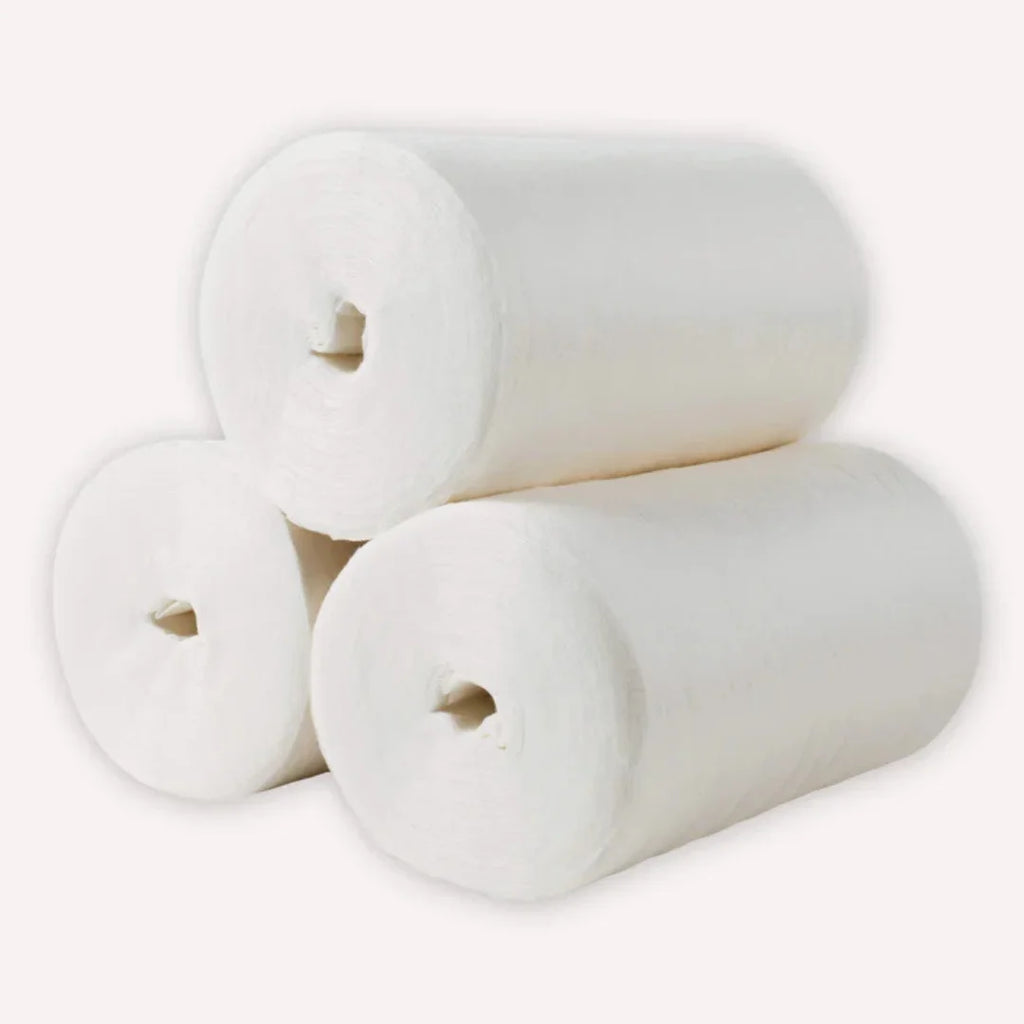
While that barrier protects your baby's skin, it can also prevent inserts from absorbing liquid effectively. Using disposable or reusable liners can help protect your diapers if diaper cream is needed. See Cloth Diaper Liners

Wondering which creams are cloth diaper safe? Read Diaper Creams & Cloth Diapers.
What Does "Stripping" Cloth Diapers Mean?
Stripping is the process of removing built-up minerals, detergent residue, diaper cream residue, and other substances that have become trapped in your diaper inserts over time.
As buildup accumulates, it can prevent the fibers from absorbing moisture effectively. Instead of soaking into the insert, liquid may bead up, roll off, or leak out of the diaper.
Think of stripping as giving your diapers a fresh start.
Because stripping uses strong cleaning agents, it should only be done when necessary. Performing it too often can shorten the lifespan of your inserts.
New to cloth diapering? They are different from disposable diapers! Read more about their differences!
Many issues can be prevented with a solid wash routine from the beginning. Read more on Why Cloth Diapers?The Basics:
Before You Strip
Before beginning, make sure you have:
✓ Clean diapers
✓ Hot water
✓ Stripping treatment (such as RLR)
✓ Bathtub, sink, or top-loading washer
Important: Always begin with freshly washed diapers.
How to Strip Cloth Diapers
Step 1: Wash your diapers using your normal wash routine first!
- Why? Because Stripping should always begin with freshly cleaned diapers.
Step 2: Fill your bathtub, sink, or top-loading washing machine with very hot water. The hotter the water, the more effective the stripping process will be.
- Important tempature note! For very soiled diapers or buildup concerns, ensure water stays under 115°F, and NEVER boil cloth diapers or inserts, as this can damage them.
Read Washing 101 for ideal water temperatures for cloth diaper washing
Step 3: Add your stripping treatment. Commercial stripping treatments, such as RLR, are the simplest option because they're pre-measured and designed to remove mineral buildup effectively. If you don't have one on hand, you can also make a DIY mineral-stripping solution using common laundry additives.
DIY Cloth Diaper Stripping Solution
For a standard bathtub or top-loading washing machine filled with hot water, combine:
- 1/4 cup Borax
- 1/4 cup Washing Soda (sodium carbonate)
- 1/4 cup Calgon Water Softener (powder or liquid, if available)
Stir until everything has completely dissolved before adding your clean absorbent inserts. If you're using a smaller sink or basin, reduce the amounts proportionally.
Step 4: Place only the absorbent parts of your diapers into the solution.
- The waterproof diaper shells usually don't need to be stripped because they don't absorb urine the same way inserts do.
Step 5: Allow the inserts to soak for approximately four to six hours. Stir occasionally to keep the solution moving through the fibers.
- Avoid soaking for more than eight hours.
Step 6: Drain the water and gently squeeze excess water from the inserts. Run everything through a rinse cycle with clean water.
- Use a water softener during this step if you have hard water so you don't re-deposit hard water minerals!
Step 7:Wash the inserts again using your regular wash routine. This removes any remaining stripping solution and prepares the inserts for use again.
- Use a water softener during this step if you have hard water so you don't re-deposit hard water minerals!
Step 8: Dry as usual. Once dry, your inserts should be ready to use again.
Should You Use Bleach?
Should You Use It, And When Should You Use it
Bleach and stripping serve different purposes.
- Stripping removes buildup.
- Bleach sanitizes by killing bacteria.
A bleach soak may be appropriate if your diapers have persistent barnyard odor, recurring ammonia issues, mold exposure, or bacterial contamination.
Not all bleaches work the same way. Because bleach can be harsh on fabrics, it should only be used occasionally and according to proper dilution guidelines.
Always use regular, unscented chlorine bleach, and focus on sanitizing the absorbent inserts unless the diaper shells also need to be disinfected.
To safely bleach cloth diapers:
- Focus on the inserts where bacteria and stink primarily live.
- Throw freshly cleaned diapers into a tub, sink, top-loading washing machine, or other container for a 30-minute cold water bleach soak.
- About ½ cup of bleach is enough for a top-loading machine filled to medium capacity or an average sized bathtub filled half-way. (Less bleach is required for a smaller sink or container, about one tablespoon of bleach per gallon of water.)
- After finishing your bleach soak, continue through your deep cleaning or stripping routine.
For bleach free sanitization alternatives, keep reading below for extra tips. Check out bleaching tips from Fluff Love University before you decide to try a bleach soak.
Also Read 'How To Bleach Cloth Diapers'
Keep Buildup From Coming Back
This is where many parents accidentally repeat the same problem. If your wash routine doesn't change, the buildup often comes right back.
Once your diapers are restored:
- Wash every 2 to 3 days.
- Use enough detergent.
- Make sure your washer has proper agitation.
- Add a water softener if you have hard water (to every rinse, and wash cycle!)
- Avoid fabric softeners.
- Use cloth diaper-safe diaper creams or liners.
These simple habits help keep your diapers performing like new.

Pick Your Own Pack! Mix and Match OG Micofleece Pockets, AWJ Pockets, and Cover Diapers
When Stripping Doesn't 'work'
Still Having Problems?
If stripping didn't solve the issue, consider whether you're dealing with:
- Worn-out inserts
- A fit issue
- Compression leaks
- Insufficient absorbency
- Incorrect insert placement
Still experiencing leaks? Read Extra Inserts for Extra Absorbency
Frequently Asked Questions
How often should I strip my cloth diapers? Only when necessary. Most families rarely need to strip their diapers if they have a consistent wash routine.
Should I strip the diaper shells too? Usually not. Most buildup occurs in the absorbent inserts rather than the waterproof shells. if you are needing to sanitize your diapers, this is when you will want to include your shells aswell, so the bacteria doesn't re-spread.
Should I strip brand-new diapers? No. Brand-new diapers need to be prepped with several wash cycles, not stripped.
Will stripping remove stains? Not necessarily. Stripping removes buildup, not discoloration. Sun drying is often the safest way to naturally fade stains.
Can stripping restore worn-out inserts?No. If the absorbent fibers have simply reached the end of their lifespan, replacing the inserts is usually the better solution.

Keep Your Diapers Performing Their Best
Most cloth diaper problems, whether it's odors, leaks, or reduced absorbency, can be traced back to a handful of common causes. By understanding how your wash routine, water hardness, detergent, fit, and absorbency all work together, you'll be able to solve most issues long before stripping becomes necessary.
When buildup does occur, stripping can help restore your diapers and get them performing like new again. The key is treating it as an occasional reset, not part of your regular routine.
If you're still troubleshooting after working through this guide, don't hesitate to reach out to our Customer Care team. Every baby's routine is a little different, and we're always happy to help you find a solution.
Continue Reading! Keep learning with these parent favorites:
- Washing 101: Build a wash routine that works from day one.
- Hard Water & Cloth Diapers: Find out if mineral buildup is affecting your diapers.
- The Best Detergents for Cloth Diapers: Compare detergents and choose the right one for your family.
- Types of Inserts for Cloth Diapers: Discover which insert is best for everyday use, heavy wetters, and overnight protection.
Shop Our Favorites: If you're looking to refresh your stash or boost absorbency, these customer favorites can help:
- Try Our Prefold / Insert Trial Kits: Compare multiple insert types to find the perfect fit for your baby.
- Hemp Prefolds: Maximum absorbency for overnight and heavy wetters.
- Charcoal Inserts: Soft, absorbent, and ideal for longer stretches between changes.
- Disposable Bamboo Liners: Make cleanup easier while helping protect your diapers from creams and messes.
- Cloth Diaper Starter Kit! Get everything you need to build, or refresh your stash, and save!


